

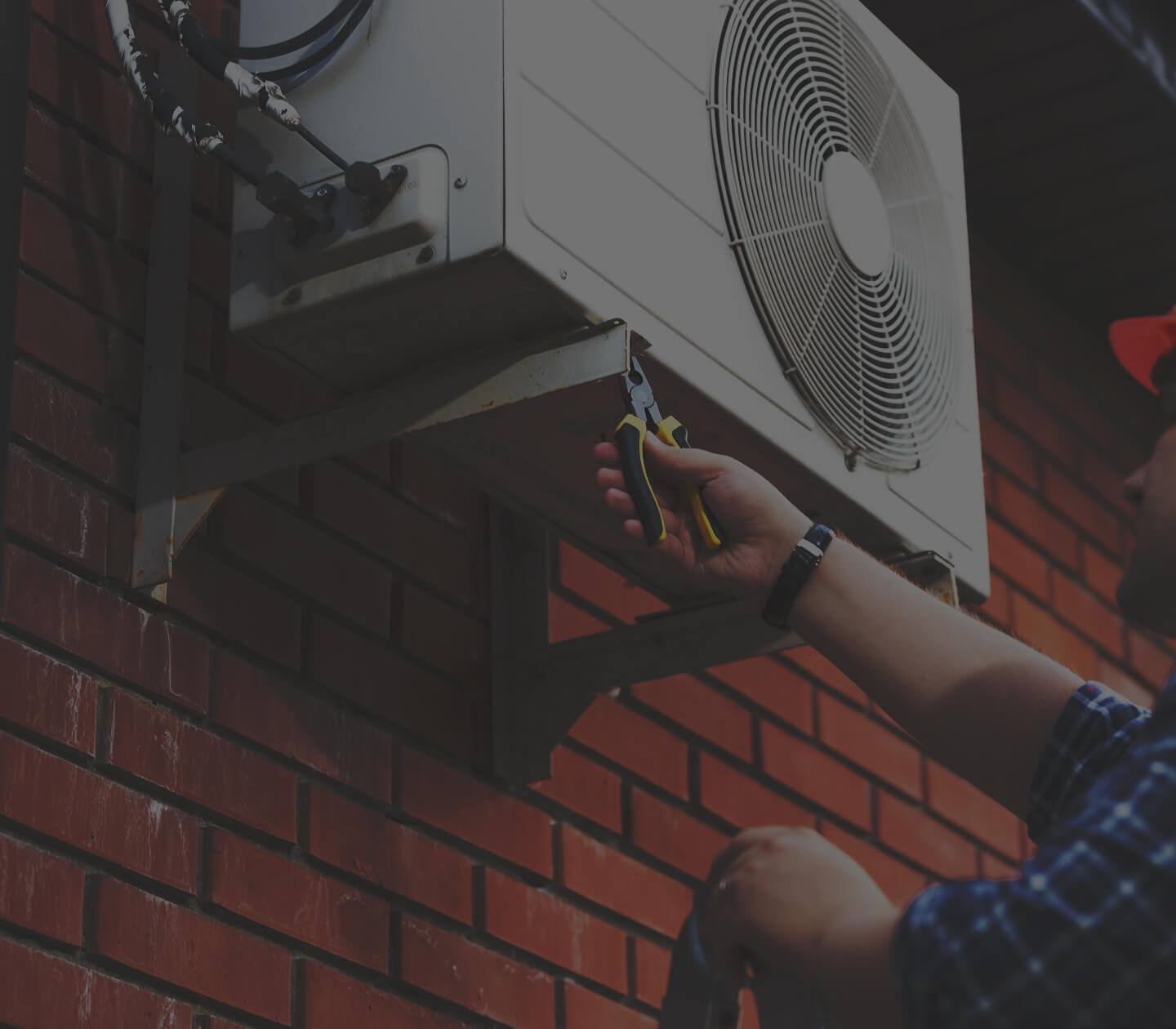
Understanding the technical specifications of a heater is something that few new homeowners consider, but it’s essential when choosing or evaluating your home’s heating system. Heater specifications outline overall performance, efficiency, and capacity details that will affect your comfort, energy use, and costs. Whether you’re considering purchasing a heat pump, a furnace, or any other type of heating equipment, knowing the technical specs will help you make an informed decision and can be the difference between reliable comfort and expensive mistakes. Here at TemperaturePro Austin, we pride ourselves on educating our customers so they can make the right choices for their own unique needs. In this guide, we’ll break down the most important technical terms and measurements you should know so that you can understand what your system is capable of and what to look for when comparing different models.
Heating Capacity and BTUs
The first heater technical specification we’ll be covering is one you’ll often see on a heater or furnace to determine its heating capacity. This capacity is usually expressed in BTUs per hour. A BTU, or British Thermal Unit, is the amount of heat required to raise one pound of water, one degree Fahrenheit. In practice, BTUs indicate how much heat a unit can produce in a given hour. Systems with higher BTU ratings will deliver more heat and are best suited for larger spaces or colder climates. Choosing the right BTU capacity will ensure that your system can maintain comfortable temperatures without straining or short-cycling.
When selecting a heater, it is important to match the BTU output to your home’s square footage and insulation quality, while also considering your local climate. For example, a smaller home here in Austin, Texas, will not require as high a BTU output as a similarly sized home in colder parts of the country.
HVAC professionals, like those on our team at TemperaturePro, typically perform a Manual J load calculation during a heating inspection to determine the precise capacity needed for your home.
Fuel Type
Heaters can run on different types of fuel, and each option comes with its own benefits. Natural gas furnaces are very common in Texas as they can heat your home quickly and are often cost-effective to operate. Propane systems work similarly and are typically used in homes without access to natural gas lines. Many more modern homes use electric furnaces, which are usually simpler to both install and maintain; however, monthly costs can vary erratically depending on local electricity rates.
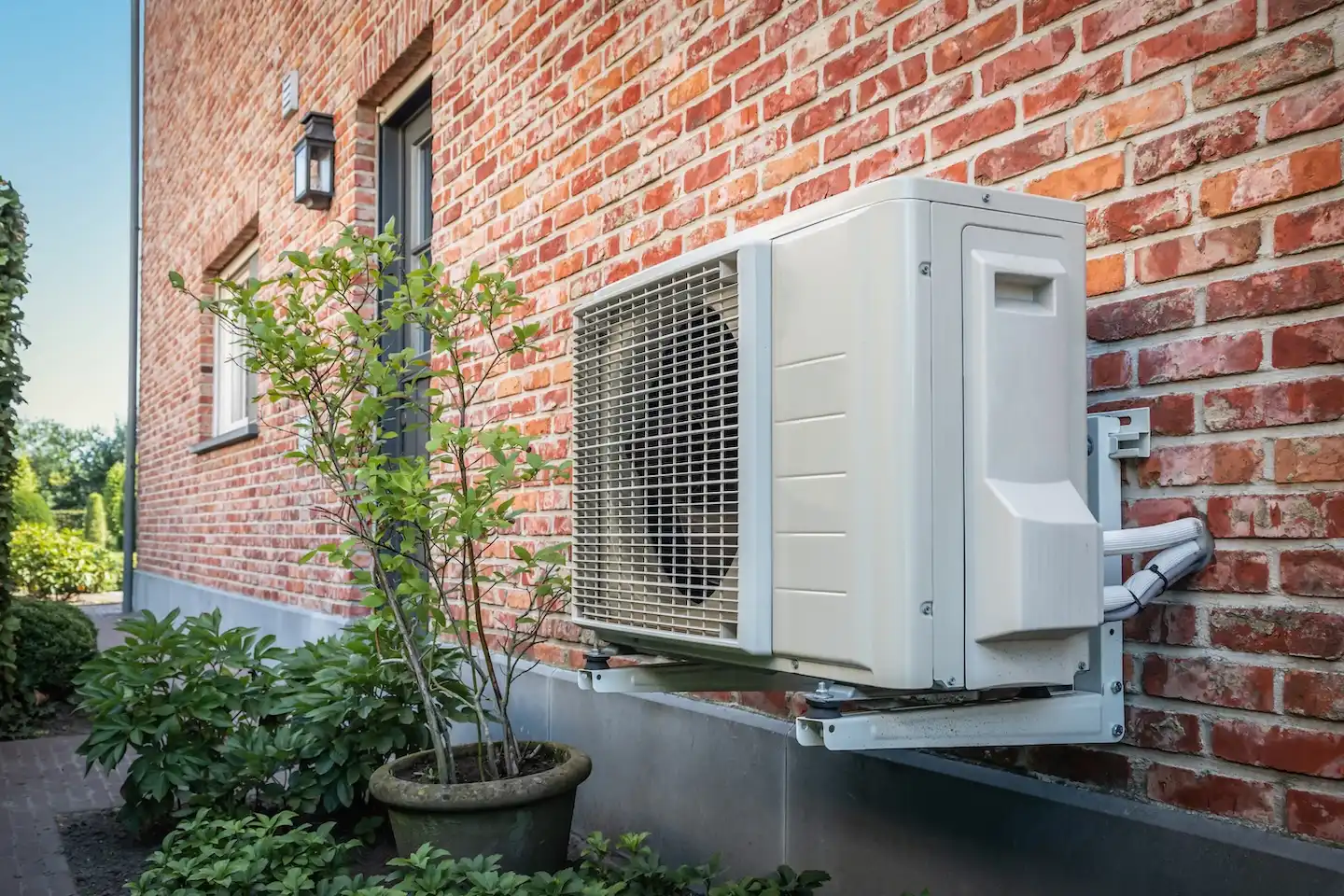
Heat pumps are another popular choice here in the Austin area. Instead of generating heat by burning fuel, they move heat from the outdoor air into your home during the winter and can do the opposite in the summer, helping to cool your space. Because they transfer heat rather than create it, they can be highly energy-efficient. In milder climates, heat pumps often provide an ideal balance of comfort with the benefit of lower energy use.
Efficiency Ratings
Efficiency is perhaps the most important specification of heater performance and directly impacts any long-term cost savings. For fuel-burning heaters like furnaces, the standard efficiency measure is AFUE (Annual Fuel Utilization Efficiency). The AFUE rating is expressed as a percentage and indicates how much of the fuel consumed is converted into useful heat. For example, a furnace with 90 AFUE converts 90 percent of its fuel into heat for your home, with the remaining 10 percent lost as exhaust. Higher AFUE ratings mean less fuel waste and lower utility bills.
For heat pumps, efficiency is often measured with terms like HSPF (Heating Seasonal Performance Factor) and COP (Coefficient of Performance). These metrics describe how effectively a heat pump converts electricity into heat over an entire season rather than the amount of fuel being burned. Higher HSPF numbers indicate greater heating output per unit of electricity used. Modern heat pumps can deliver impressive seasonal performance and often lead to lower energy costs compared to older systems.
Staging and Blower Controls
Another important aspect of heater performance is how the system delivers heat. Many modern furnaces and heat pumps offer what is called staged or variable-speed operation. Single-stage systems run at full power whenever they are on. Two-stage and variable-speed units adjust their output to match demand more precisely.
For example, on a mild winter day, a single-stage furnace will turn on at full power and heat the space quickly before shutting off completely. While this provides quick comfort when you’re cold, it often leads to temperature swings and makes your heater cycle on and off more frequently. A two-stage or variable-speed system can run at a lower setting when less heat is required. Rather than simply blasting hot air at full power, these systems provide a steady stream of warm air that keeps your home at a more consistent temperature. These systems are also often quieter and more energy efficient than their single-stage counterparts.
Sound Ratings and Build Quality
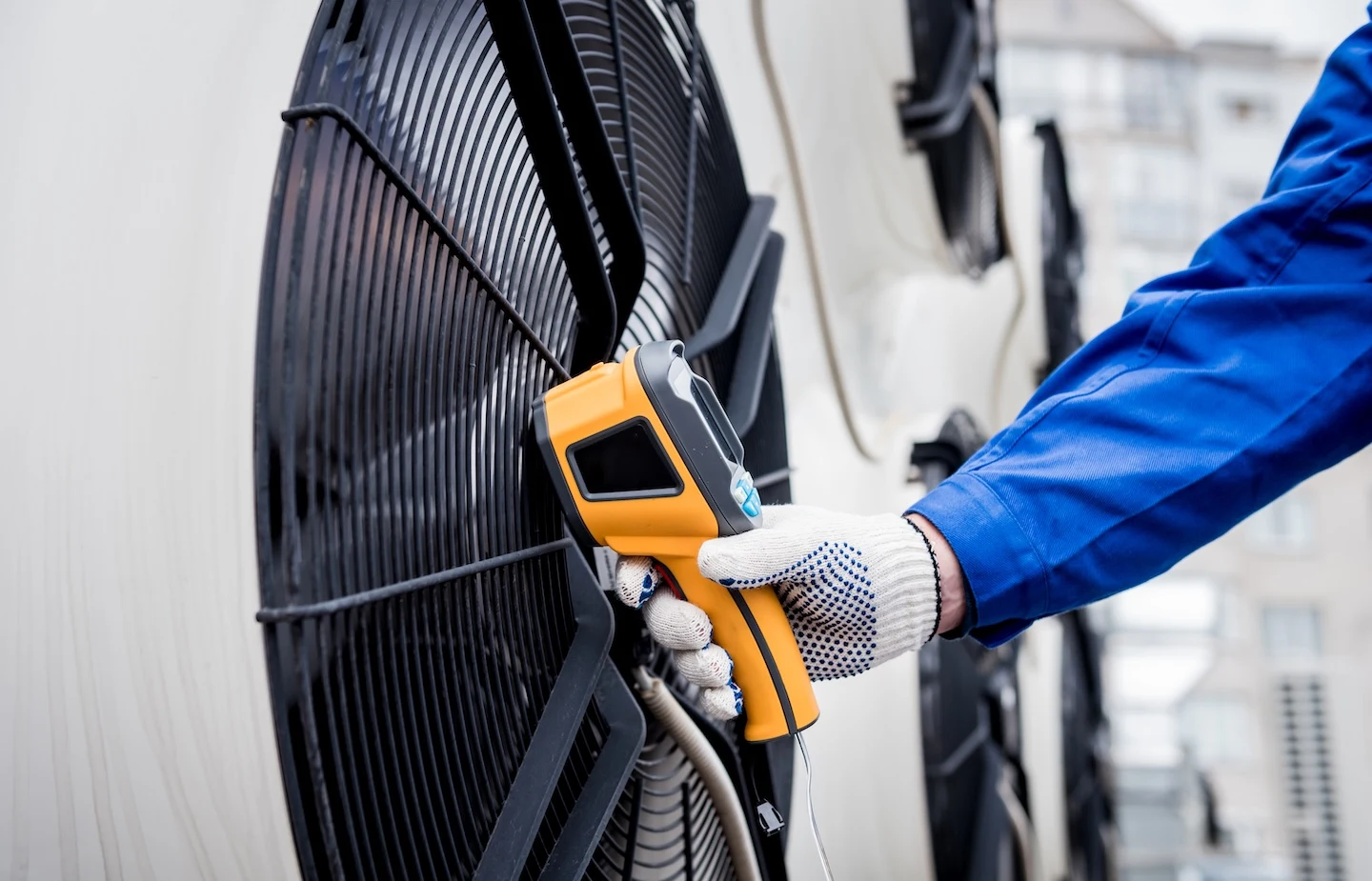
While not something you might consider at first, heater technical specs may also include noise levels, often measured in decibels, as well as details on construction quality, such as whether corrosion-resistant materials were used or integrated diagnostics are included. Models with enhanced insulation, quieter fans, and more durable components help improve overall comfort and increase your unit’s longevity.
Controls and Connectivity
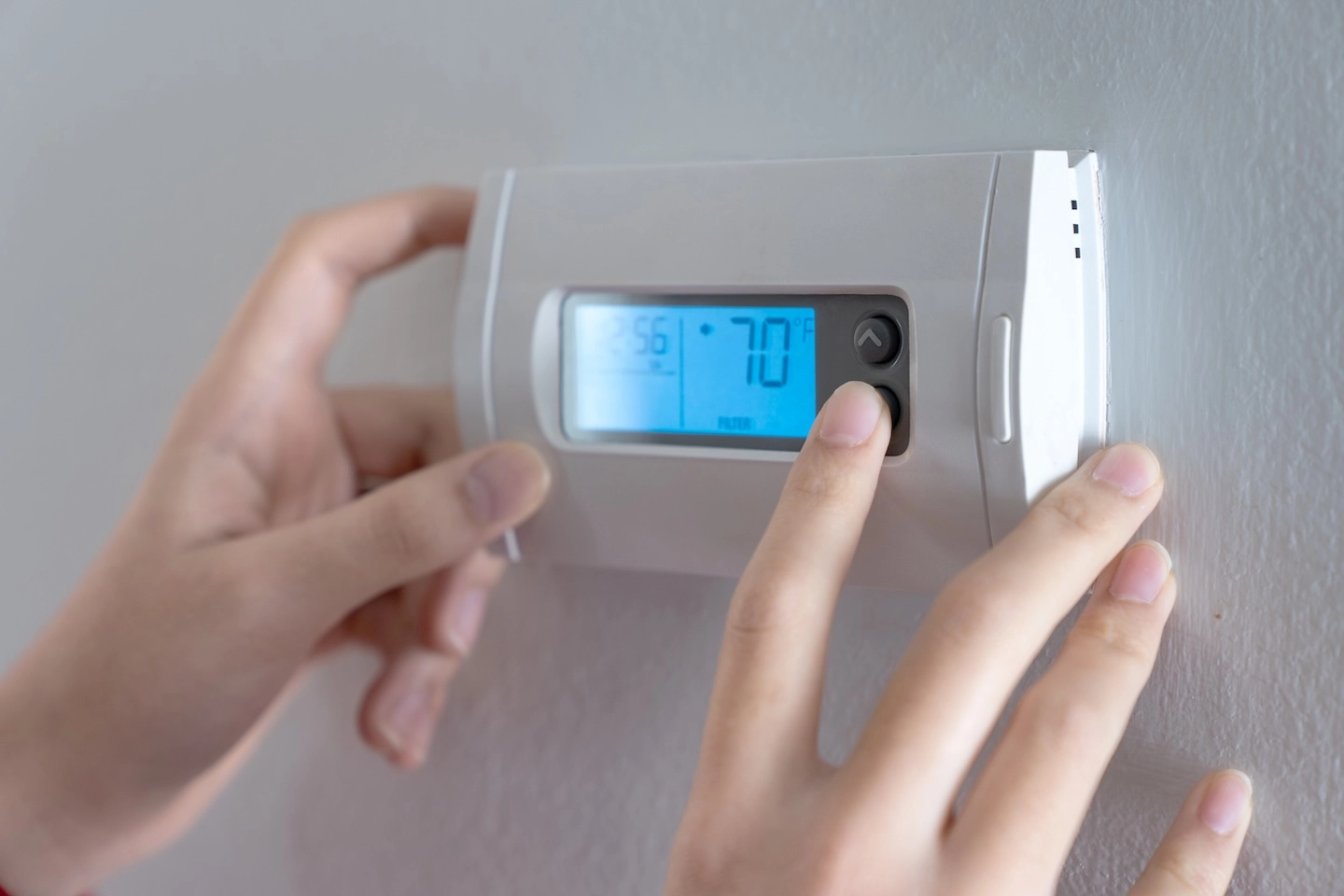
Finally, modern heating equipment often includes or integrates with advanced control systems. Communicating thermostats and diagnostic panels allow homeowners and HVAC technicians to monitor performance, troubleshoot issues, and optimize settings. These controls can make systems easier to maintain and more responsive to your own preferences.
Understanding heater technical specs allows homeowners to carefully choose systems that deliver reliable comfort, strong efficiency, and long-term value for their unique space. From knowing what BTU ratings and AFUE mean to appreciating advanced features like variable-speed performance and smart controls, informed decisions lead to better comfort and savings on your energy bill.
If you are considering a new heating system or simply looking to upgrade, call us at 512-953-5822 or contact us online today and let our team help you select the right unit for your home.