
Heater Blowing Cold Air or Turning Off? Here’s What’s Going On

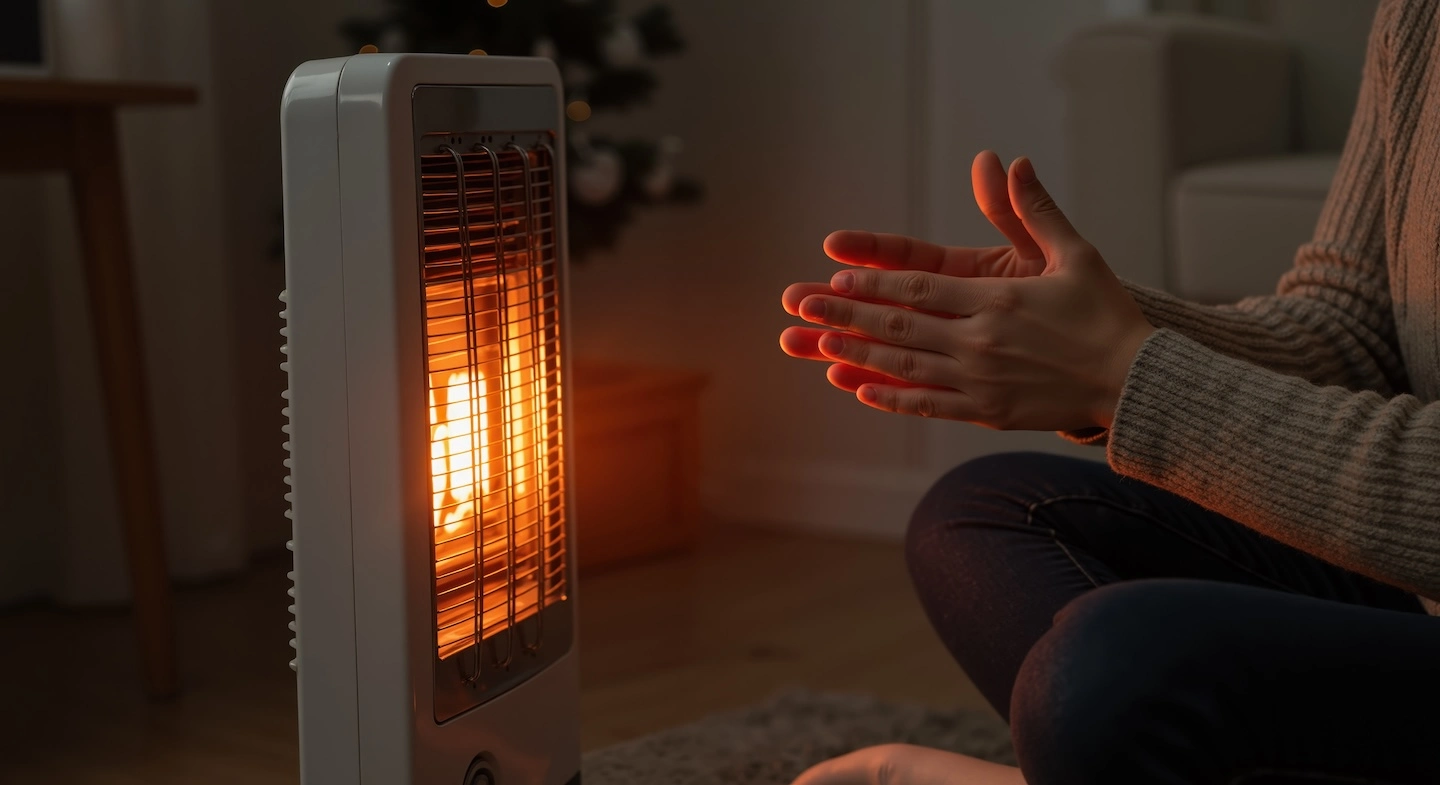
A cold west Austinite family staying warm on the couch under blankets.

There’s nothing worse than waking up on a chilly Austin morning only to realize your heater is blowing cold air—or worse, not turning on at all. Before you bundle up in extra blankets, let’s walk through some of the most common reasons your heater isn’t working and what you can do about it. Whether you’re dealing with intermittent heat, a system that keeps cycling on and off, or a total failure to start, we’ve got you covered.

Why Is My Heater Blowing Cold Air?

If your heater is blowing cold air, it’s usually a sign that something is off with the system’s ignition, thermostat, or airflow. Here are some likely culprits:

  • Thermostat issues: If your thermostat is set to “on” instead of “auto,” your fan may run even when the heater isn’t producing warm air.
  • Pilot light or ignition problems: In gas furnaces, a faulty pilot light or igniter can prevent heat from being generated.
  • Clogged air filter: When airflow is restricted, your system can overheat and shut off prematurely, pushing out cool air.
  • Ductwork leaks: If warm air escapes through cracks in your ducts, you’ll feel cold air coming through vents instead.

Still asking yourself “why is my heater not blowing hot air?”—don’t worry. Most of these issues are simple fixes with the help of a professional HVAC technician.


Why Won’t My Heater Turn On?

When your heater won’t turn on at all, it’s often an electrical or safety issue. Before you panic, try these quick checks:

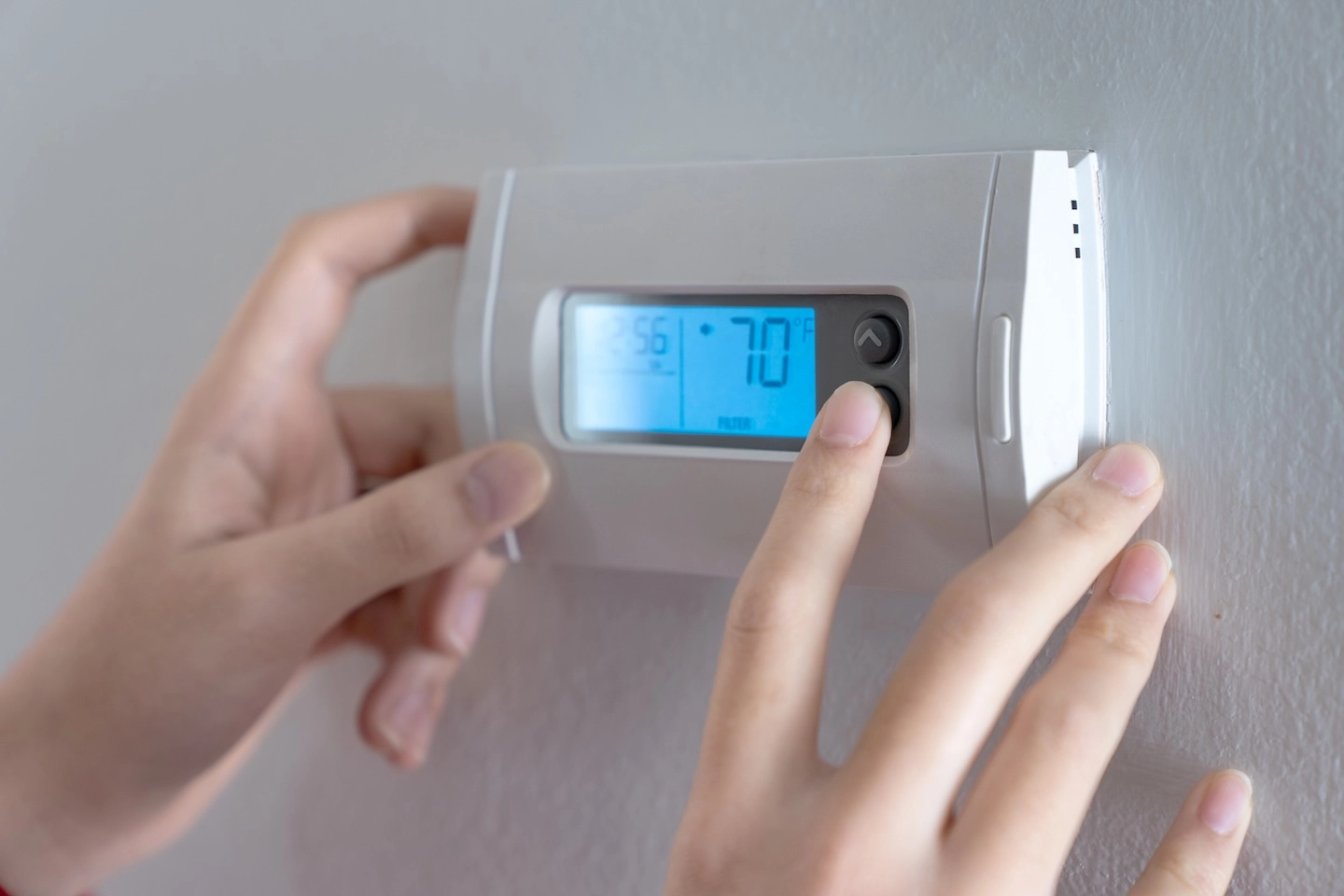
  • Make sure your thermostat is set to “heat” and that the temperature is higher than the current room temp.
  • Check the circuit breaker—sometimes a tripped switch is the only thing stopping your heater from running.
  • For gas furnaces, ensure the gas valve is open and the pilot light is lit. 

If those don’t work, it may be time to call an expert. There could be a problem with your ignition system, blower motor, or control board—all of which require professional repair. If you’re still wondering “why is my heater not working in my house?” or “why isn’t my heater turning on?”, don’t ignore it. It’s best to have a trained technician inspect your system before the cold really sets in.


Why Does My Heater Keep Turning Off?

An HVAC system that constantly cycles on and off (known as short cycling) can be frustrating—and expensive. When you notice your gas heater keeps turning off, it could be due to:

  • Overheating: Clogged filters or blocked vents can cause your system to overheat and shut down for safety.
  • Faulty thermostat placement: If your thermostat is too close to a heat source, it might turn off the system too soon.
  • Dirty flame sensor: In gas furnaces, a dirty or corroded flame sensor can cause your heater to stop working intermittently.

Short cycling not only affects your comfort but can also lead to higher energy bills and premature wear on your furnace.


When Your Heater Starts, Then Stops: Intermittent Operation Explained

If your heater turns on but stops before reaching the set temperature, you may be dealing with a component failure or airflow problem. Common causes include a failing blower motor that can’t keep up with demand, a dirty air filter choking airflow, or thermostat malfunctions causing inconsistent communication with the furnace. 

If you find yourself wondering, “why did my heater stop working?” or “why is my heater not turning on?” It’s time for a professional diagnosis. Intermittent operation can point to underlying electrical or sensor issues that shouldn’t be ignored.

Prevent Heater Problems Before They Start

The best way to avoid asking “why is my heater not working?” or “why does my heater blow cold air?” each winter is to stay ahead of maintenance. Routine care keeps your system efficient, safe, and ready for Austin’s unpredictable cold snaps. Here’s what regular maintenance can do for you:

  • Extend the life of your HVAC system
  • Reduce repair costs over time
  • Improve energy efficiency
  • Keep your indoor air clean and healthy

At TemperaturePro Austin, we offer comprehensive maintenance plans that make it easy to keep your heating system in top shape. Our certified technicians will inspect, clean, and test your system so you can relax knowing your home will stay warm all season long.

Stay Cozy, Austin!

If your heater is blowing cold air, won’t turn on, or keeps turning off unexpectedly, don’t wait until the next cold front to get it checked. Schedule a service call with TemperaturePro Austin today and let our friendly HVAC experts get your system running smoothly again. Because here in west Austin, when the temperature drops, comfort matters. Let’s make sure your home stays warm, reliable, and ready for every cozy night ahead.

What Does an AC Tune-Up Cost in Austin, TX? Your Essential Guide

As an Austin homeowner, you know just how crucial a well-functioning air conditioner is, especially when our Texas summers crank up the heat. You probably also know that regular maintenance, like an annual AC tune-up, is key to keeping your system running efficiently. But what about the AC tune-up cost Austin residents face? It’s a common question we often hear here at TemperaturePro Austin: “What exactly goes into an air conditioner tune-up cost, and what should I expect to pay for AC maintenance cost?”

Understanding the cost of AC tune-up isn’t just about the immediate price tag; it’s about the value it brings to your home comfort, energy bills, and the longevity of your system. Let’s break down what influences the cost and why it’s a worthwhile investment.

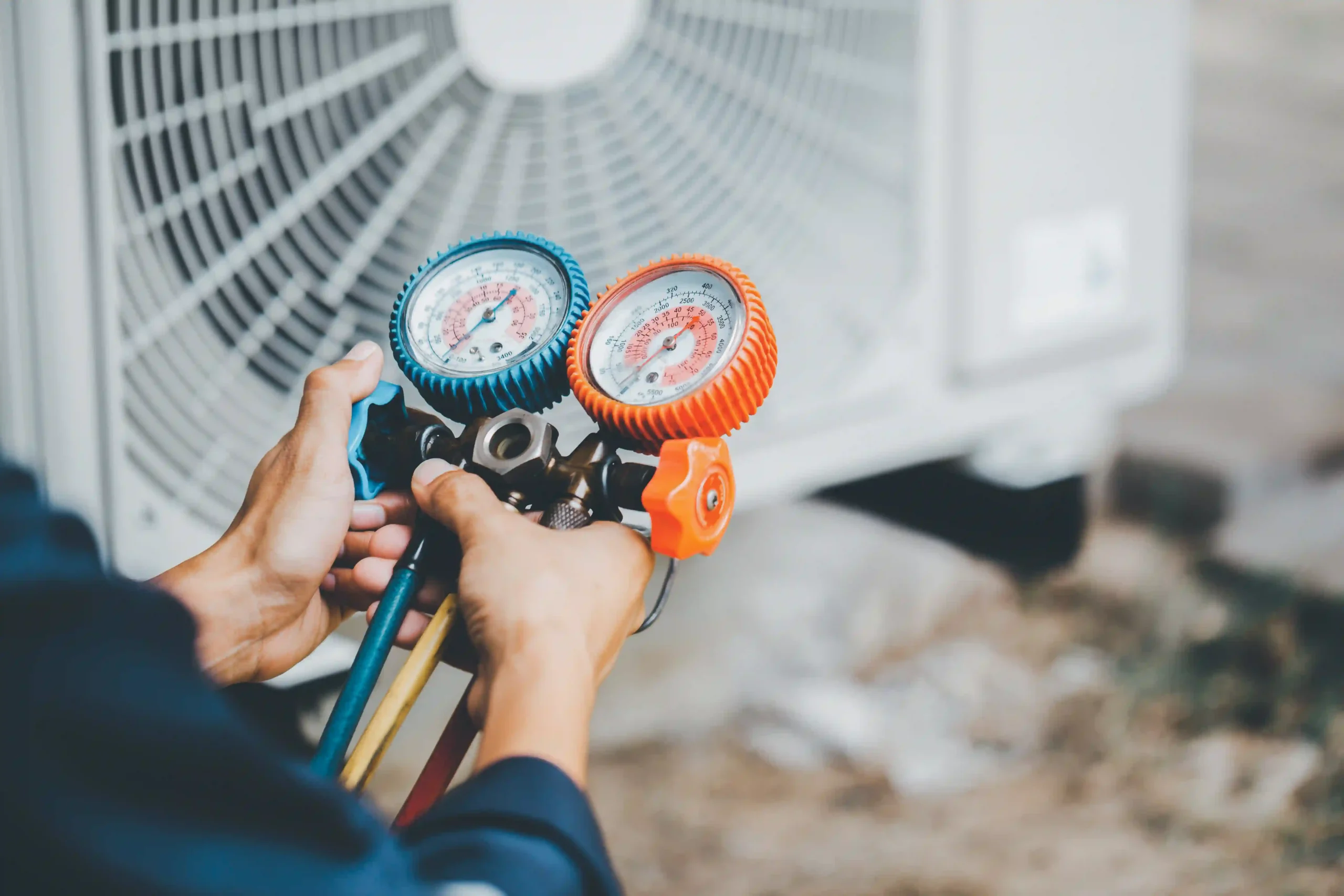
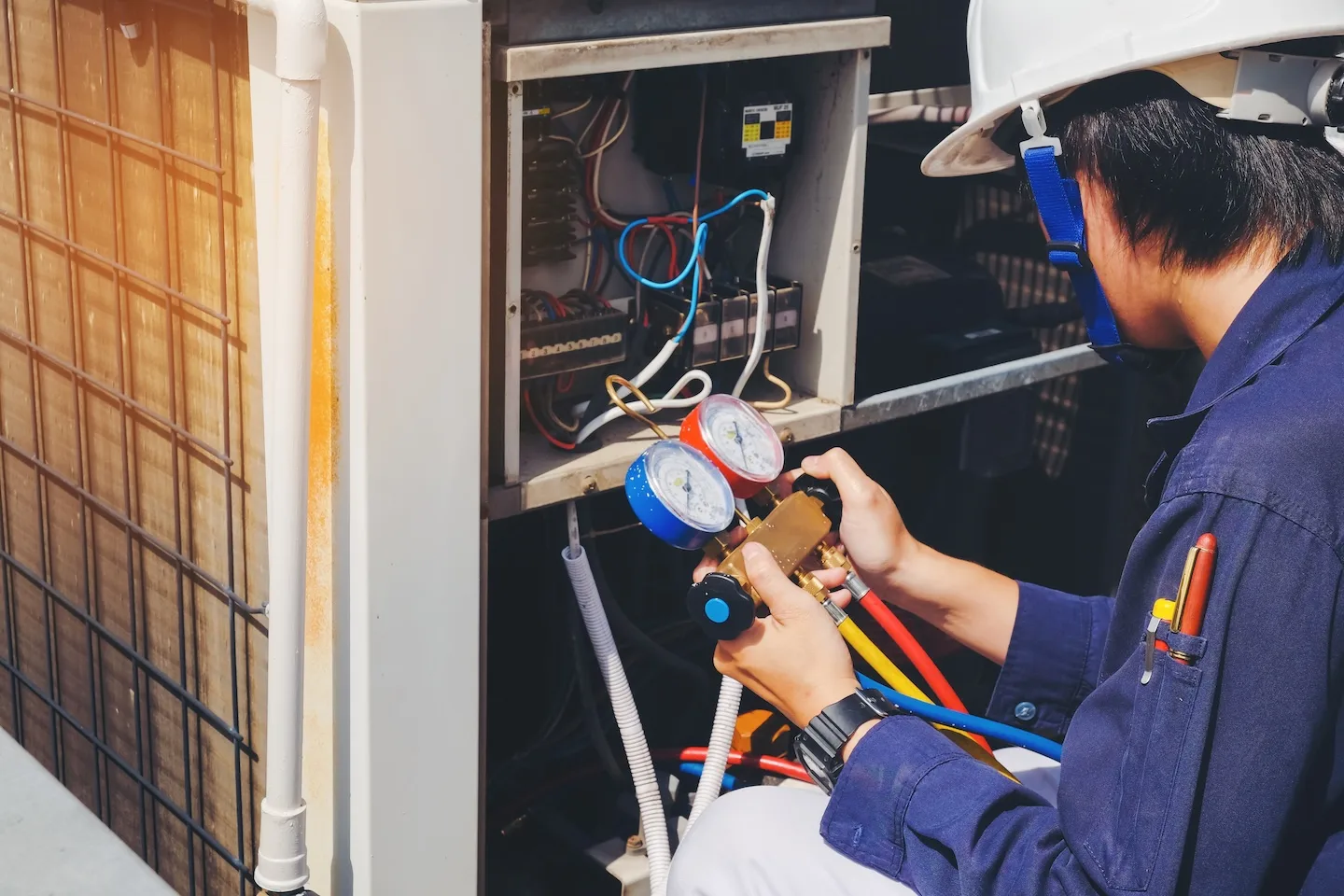
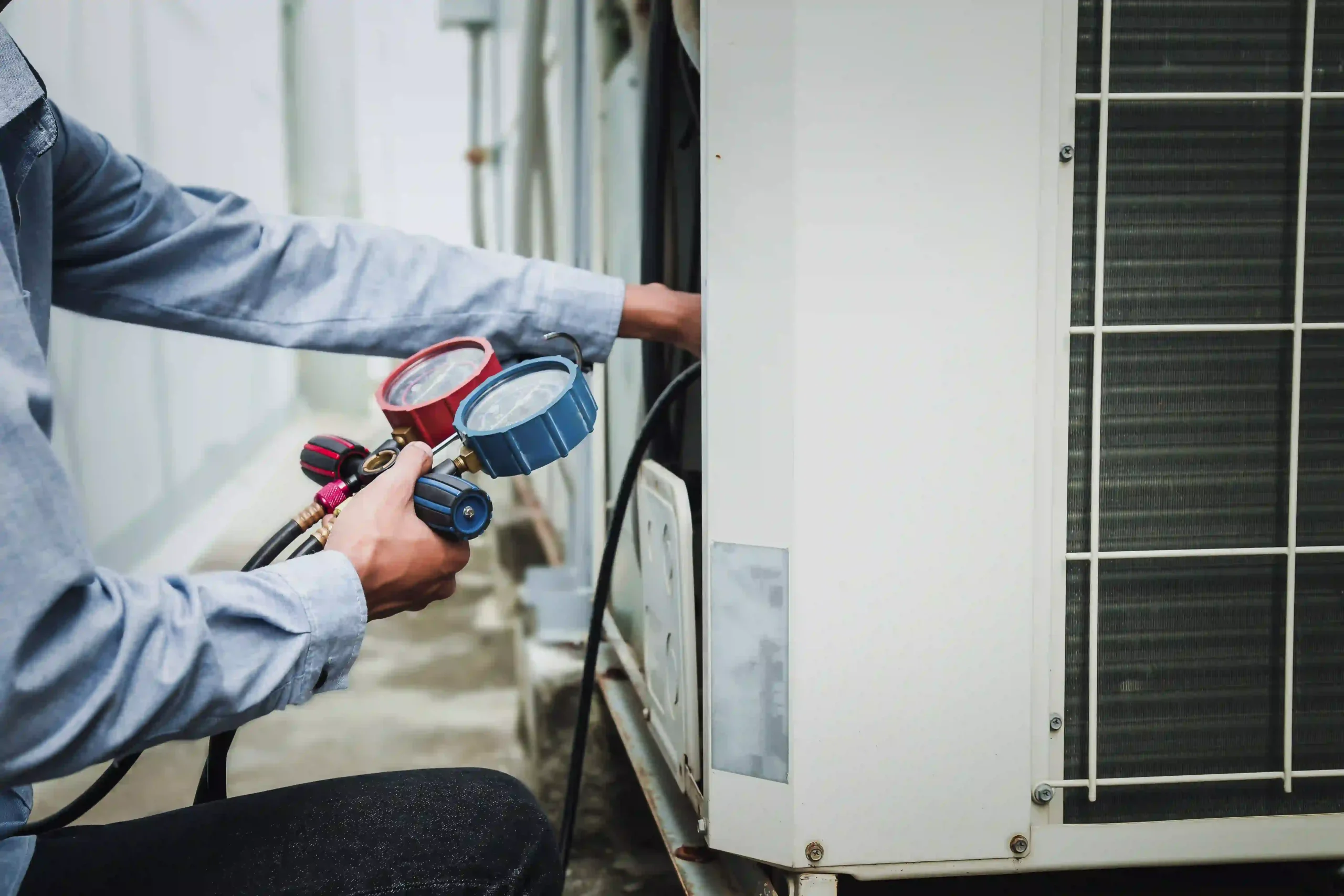
HVAC technician using pressure gauge to perform AC tune-up.

The Value of an AC Tune-Up: More Than Just a Cost

Thinking about an AC tune-up as merely an expense misses the bigger picture. It’s actually one of the most cost-effective investments you can make in your home’s comfort system. Here at TemperaturePro Austin, we view a tune-up as essential preventative care, much like getting your car’s oil changed. It’s designed to:

  • Improve Efficiency: A clean, well-tuned AC unit doesn’t have to work as hard, meaning it uses less energy. This directly translates to lower monthly utility bills, putting money back in your pocket over the long Austin summer.
  • Extend Lifespan: Regular maintenance helps identify and address minor issues before they escalate into major, expensive breakdowns. This proactive approach can significantly extend the overall life of your AC system, delaying the need for a costly full replacement.
  • Enhance Comfort & Air Quality: A system running at peak performance cools your home more effectively and consistently. Tune-ups also often involve cleaning components that impact air quality, like filters and coils.
  • Maintain Warranty: Many AC manufacturers require annual professional maintenance for your warranty to remain valid. Skipping tune-ups could void your warranty, leaving you fully responsible for repair costs.
  • Prevent Costly Breakdowns: Imagine your AC failing on the hottest day of July. A tune-up drastically reduces the likelihood of such inconvenient and often expensive emergency repairs, saving you on unexpected AC service costs.

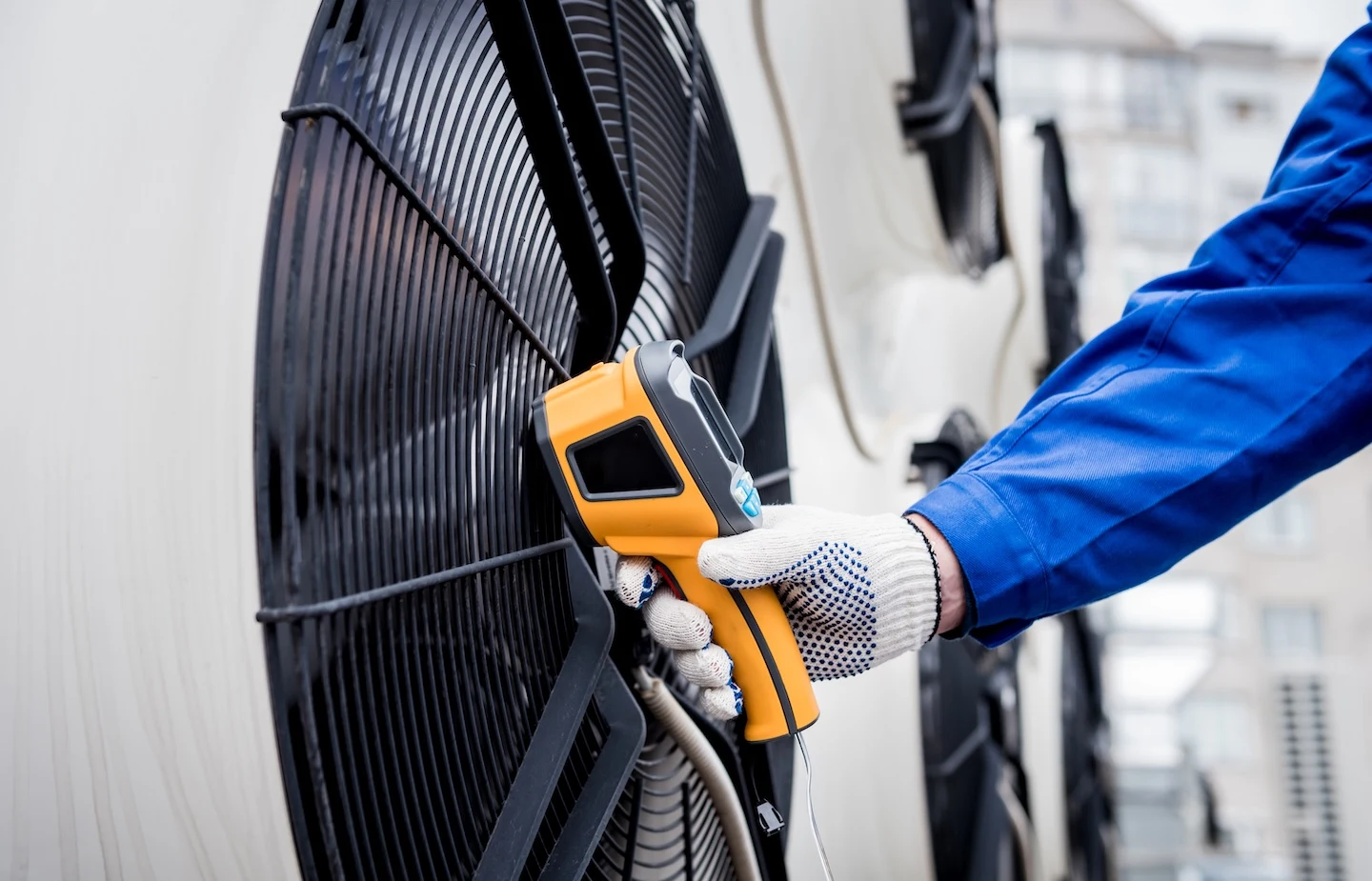
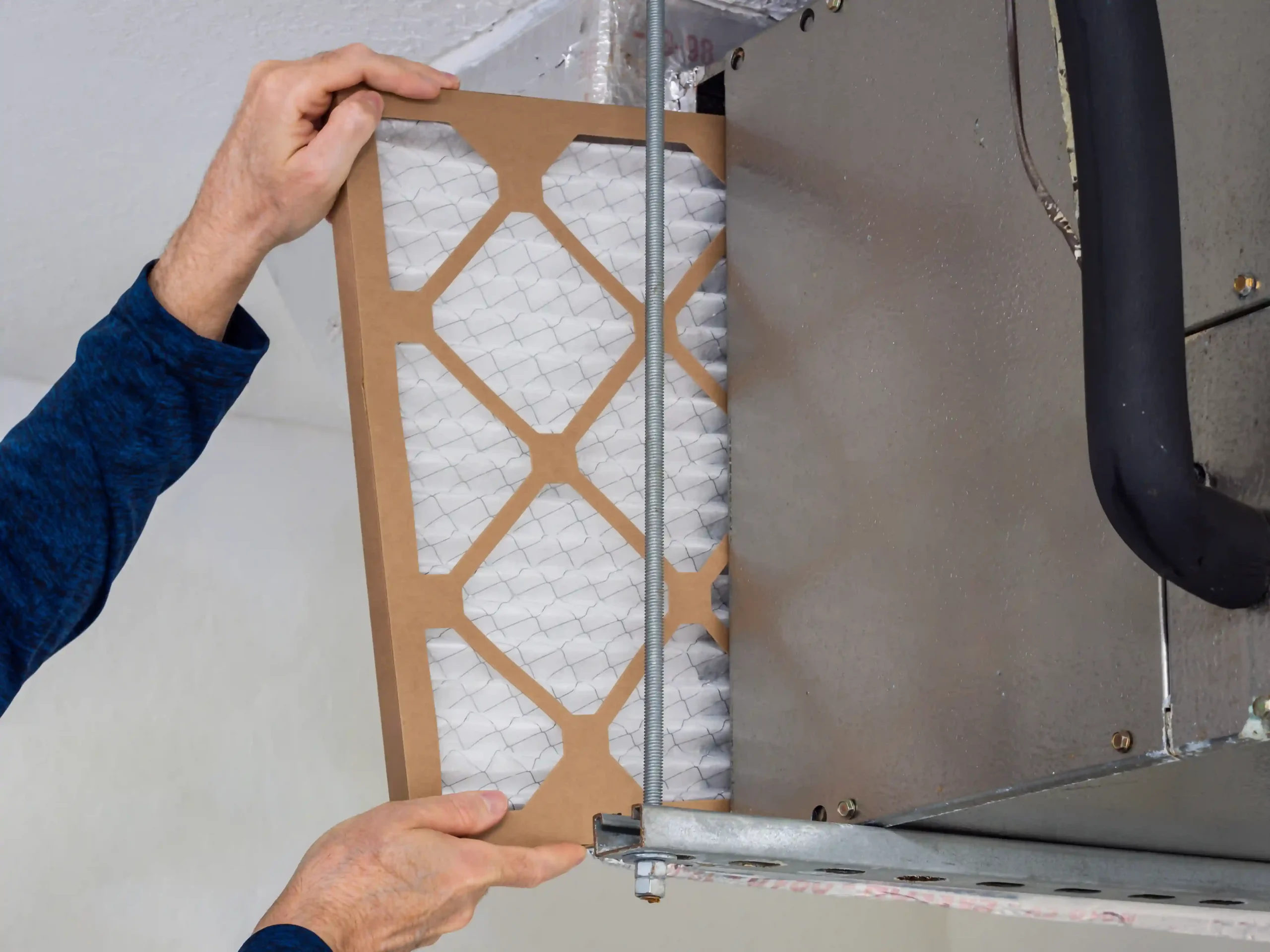
Austin HVAC technician checking AC filter as part of tune-up process.

What Goes Into a Comprehensive AC Tune-Up?

When you invest in an AC tune-up with TemperaturePro Austin, you’re getting a thorough inspection and maintenance service designed to optimize every aspect of your system. While specific checklists can vary slightly, a professional tune-up typically includes:

  • Cleaning: This is a big one. We clean evaporator and condenser coils, clear the condensate drain line to prevent clogs, and inspect/clean the blower motor and fan.
  • Checking Refrigerant Levels: Low refrigerant can drastically reduce efficiency and indicate a leak. We check pressure and advise if a recharge or leak detection is needed.
  • Electrical Connections & Components: We inspect all electrical connections for safety and proper function, check capacitors, contactors, and relays.
  • Thermostat Calibration: Ensuring your thermostat is accurate means your system heats and cools precisely as you intend.
  • Lubrication: Moving parts are lubricated to reduce friction and wear.
  • Safety Checks: We perform a comprehensive check of all system safeties and controls.
  • Air Filter Replacement/Inspection: We’ll replace your filter (if you have one on hand) or advise on the correct type and frequency for your home.

This comprehensive approach is how we ensure your system is ready to tackle Austin’s intense heat with confidence, impacting your overall air conditioning maintenance cost.

Factors Influencing AC Tune-Up Costs in Austin

The AC tune-up cost Austin residents face can vary, with several factors influencing the final AC tune-up price. These include the type and age of your HVAC system, as well as whether you’re enrolled in a maintenance plan or membership, which often reduces the cost of AC tune-up. Promotions and the specific geographic location within Texas can also play a role. Here at TemperaturePro Austin, we prioritize transparency in our pricing when discussing how much is an AC tune-up, and we always recommend getting a clear quote upfront.

Average Cost Ranges for an AC Tune-Up in Our Area

While we can’t give an exact figure without assessing your specific system and any current promotions, the typical cost for a professional AC tune-up in the Austin area generally ranges from $80 to $150. This range covers the comprehensive service described above. This gives you a good idea of what to expect for your annual AC service cost.

Remember, this is an average. Some companies might offer a very basic, quick check for less, but it might not include the thorough cleaning and inspection that provides the most benefit. Conversely, if a system needs extensive cleaning or has pre-existing issues discovered during the tune-up, that would be a separate repair cost, but the tune-up itself helps identify these, potentially saving you from a much larger AC service cost Austin down the line.

Is an AC Tune-Up Worth the Investment? Absolutely.

Considering the potential for costly breakdowns, reduced energy bills, extended equipment life, and maintaining your warranty, the air conditioning maintenance cost for an annual AC tune-up is a minor investment with significant returns. Think of the peace of mind knowing your system is prepared for whatever the Austin weather throws at it. It’s far more budget-friendly to prevent a problem than to react to an emergency breakdown in the middle of a heatwave. 

Your AC Tune-Up Partner in Austin: TemperaturePro Austin

At TemperaturePro Austin, we are committed to providing top-tier HVAC services to our neighbors across the city. We understand the importance of a reliable, efficient air conditioning system for your home and family. Our experienced, certified technicians perform thorough, detailed AC tune-ups, ensuring your unit is optimized for peak performance and longevity. We believe in transparent pricing and excellent customer service, making the process as smooth and beneficial as possible for you. Trust your home comfort to the local experts who know Austin’s climate best. For a professional AC tune-up cost Austin residents can rely on, it would be a great place to get your AC tuned up with TemperaturePro Austin today!

When Your Outside AC Unit Isn’t Turning On But Inside Is: A TemperaturePro Austin Guide

It’s a familiar and frustrating scenario for many homeowners in Austin: you crank up the AC, you hear the comforting hum of your indoor unit, but then… nothing. No cool air, no whirring fan from outside. Your outside AC unit isn’t turning on but your inside unit is, leaving you in a warm, sticky predicament.

At TemperaturePro Austin, we understand how quickly that Texas heat can become unbearable. Don’t sweat it! This common issue often has a straightforward explanation.

Why Your Outside AC Unit Not Turning On But Inside Is

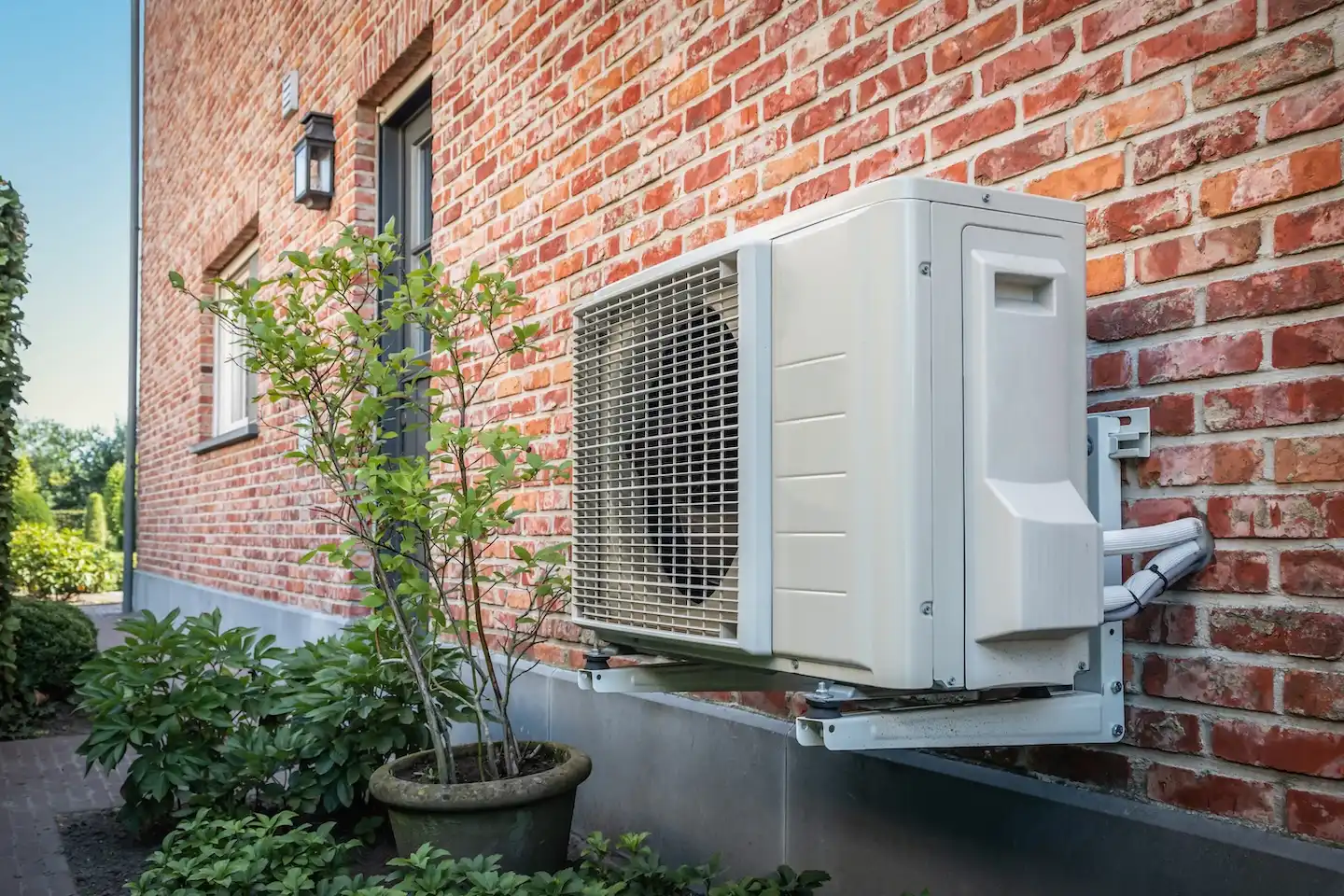
When your indoor fan is blowing but the outdoor compressor unit remains silent, it means your cooling system isn’t working together. The indoor unit handles air circulation and heat absorption. The outdoor unit releases that absorbed heat outside. Both must work in tandem for efficient cooling.

Here are the common reasons your outside AC unit isn’t turning on but the inside unit is:

  • Tripped Circuit Breaker: Your outdoor unit uses a lot of power. An electrical surge or overload can trip its dedicated breaker, cutting off power.
  • Faulty Thermostat: While your indoor unit might have power, a bad thermostat might not be sending the “turn on” signal to the outdoor unit. This is a common issue we see at TemperaturePro Austin.
  • Bad Capacitor: The capacitor gives the compressor and fan the necessary jolt to start. If it’s failing, the outdoor unit won’t kick on.
  • Faulty Contactor: This acts as a relay, sending power to the outdoor unit when the thermostat calls for cooling. A bad contactor means no power.
  • Low Refrigerant Levels: While not directly preventing startup, low refrigerant can trigger safety mechanisms that shut down the compressor to prevent damage.

DIY Checks Before Calling TemperaturePro Austin

Before you pick up the phone, try these simple checks:

  • Check Your Thermostat Settings:
    • Is it set to “Cool”?
    • Is the temperature lower than the current indoor temperature?
    • Is the fan setting on “Auto” (not “On”)?
  • Inspect the Circuit Breaker:
    • Go to your electrical panel.
    • Look for a tripped breaker (usually in the “off” or middle position).
    • Flip it completely off, then firmly back to “on.”
    • Wait a few minutes to see if your outdoor unit starts.
    • Safety Note: If it trips immediately again, stop! Call a professional.
  • Check the Disconnect Box:
    • Find the metal box near your outdoor AC unit.
    • Ensure the switch inside is in the “on” position.

If these steps don’t fix your outside AC unit that isn’t turning on but inside is, it’s time for professional help.

When to Call the Pros at TemperaturePro Austin

While some issues have quick fixes, many problems cause your outside AC unit to not turn, you need the specialized knowledge and tools of an HVAC technician. Trying complex repairs yourself can be dangerous and might void your warranty.

At TemperaturePro Austin, our certified technicians are experts at diagnosing and repairing AC unit issues. We’ll quickly find the root cause, whether it’s a capacitor, contactor, refrigerant leak, or electrical problem. We focus on efficient, reliable service to get your home cool again.

Don’t Sweat It – Contact TemperaturePro Today!

A broken AC unit in the Austin heat is more than just inconvenient; it can be a health concern, don’t wait. The team at TemperaturePro Austin is ready to provide prompt, expert service to get your air conditioning system running perfectly.

We pride ourselves on transparent pricing, courteous service, and lasting repairs. Contact us today to schedule your service call and experience the TemperaturePro difference!

The Best Air Purifier to Tackle Austin’s Relentless Allergies

If you’ve lived in Austin for any number of years, you’re probably familiar with the age-old battle against seasonal allergies (or year-round allergies for that matter). We love our beautiful landscape and outdoor spaces, but the diverse flora and warm climate often mean you’re facing itchy eyes, runny noses, and congestion month over month.

But there’s good news: an air purifier for allergies can be your secret weapon in the fight for cleaner, healthier air.

At TemperaturePro Austin, we find seasonal allergies just as annoying as you do. That’s why we’re passionate about helping you breathe easier and enjoy a more comfortable living space.

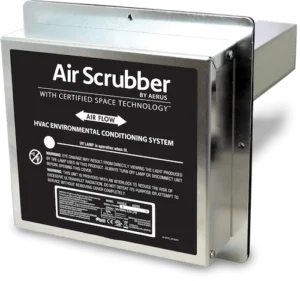
Air Scrubber by Aerus whole-home purifier for allergies.

Air Purifier for Allergies: Our Top Recommendation

When it comes to tackling allergies, the Air Scrubber by Aerus is a standout solution. This advanced air purifier uses ActivePure Technology to effectively remove a wide range of allergens and contaminants from your indoor air. Here’s why it’s a game-changer:

  • ActivePure Technology: This NASA-trusted technology uses light waves and a special catalytic process to create powerful scrubbing molecules that destroy pollutants. It’s like having a miniature army of air-cleaning ninjas in your home!
  • Whole-Home Purification: The Air Scrubber integrates directly with your HVAC system, so it cleans the air throughout your entire home, not just in a single room.
  • Reduces a Wide Range of Irritants: Say goodbye to dust, pet dander, pollen, mold spores, and even those pesky VOCs (volatile organic compounds) that can trigger allergy symptoms.

How TemperaturePro Austin Can Help You Breathe Easier

We don’t just sell air purifiers for allergies; we’re your partners in creating a healthier home environment. Here’s how TemperaturePro Austin can help:

  • Air Scrubber by Aerus: We provide expert advice and professional installation of the Air Scrubber, ensuring it’s seamlessly integrated with your HVAC system for optimal performance.
  • Duct Cleaning: Over time, your air ducts can become a haven for dust, allergens, and other debris. Our professional duct cleaning services remove these contaminants, improving your indoor air quality and the efficiency of your HVAC system.
  • Air Filter Replacements: We offer high-quality air filters that trap even the smallest particles, providing an extra layer of defense against allergens.
  • HVAC System Maintenance: Regular HVAC maintenance ensures your system is running efficiently and effectively filtering the air.

Person struggling with allergies in Austin is rubbing her itchy eyes,

DIY Air Quality Improvement Tips

While professional solutions like the Air Scrubber by Aerus offer significant benefits, there are also things you can do to improve your indoor air quality:

  • Regular Cleaning: Dusting, vacuuming, and mopping regularly helps minimize allergens.
  • Humidity Control: Maintain proper humidity levels to discourage mold growth and dust mites.
  • Natural Cleaning Products: Choose natural cleaning products to reduce VOCs and other harmful chemicals.
  • Ventilation: Open windows and doors periodically to bring in fresh air.
  • Air Quality Monitoring: Consider using indoor air quality sensors to monitor pollutant levels.

The Golden Rule of HVAC: Your Guarantee of Quality Service

At TemperaturePro Austin, we abide by the Golden Rule of HVAC. This means we treat your home with the same care and respect we would our own. You can trust us to provide honest advice, transparent pricing, and solutions that truly address your air quality needs.

Breathe Easier, Live Better with an Air Purifier for Allergies

Don’t let allergies control your life. Take action today to improve your indoor air quality. Contact TemperaturePro Austin for a free consultation. We’ll help you find the perfect air purifier and create a healthier, more comfortable home for you and your family.

Austin Home Heating: Propane vs. Natural Gas Furnaces

When it’s time to heat your home, choosing the right furnace is a crucial decision. Two of the most popular options are propane vs natural gas furnaces. Both offer efficient heating for those chilly nights, but which one comes out on top?

This guide breaks down the key differences between propane and natural gas furnaces, helping you make an informed choice for your home and lifestyle. We’ll explore everything from fuel type and availability to cost considerations and environmental impact, so you can select the perfect heating solution for your needs.

Close up of a natural gas flame.

Propane vs. Natural Gas

While propane and natural gas furnaces might seem very similar at first glance, there are some key distinctions to keep in mind. Both types of furnaces operate on the same fundamental principles: they burn gas to generate heat, which is then used to warm your home. However, the type of gas they use and how it’s supplied leads to some important differences.

The most obvious difference lies in the fuel source itself. Propane furnaces burn propane, a liquefied petroleum gas that is stored in a tank on your property. Natural gas furnaces, on the other hand, are connected to a natural gas line that supplies gas directly to your home. This difference in fuel supply has a few practical implications:

  • Availability: Natural gas is often more readily available in urban and suburban areas with established gas line infrastructure. Propane, while widely available, might be a more practical choice in rural locations where natural gas lines don’t reach.
  • Storage: Propane requires a storage tank on your property, which needs to be refilled periodically. Natural gas is delivered continuously through the gas line, eliminating the need for on-site storage.
  • Cost: The cost of propane and natural gas can fluctuate depending on market conditions and your location. It’s important to compare prices in your area to determine which fuel source is more economical.

Another distinction lies in the energy content of the fuels. Propane has a higher energy content per unit volume than natural gas. This means that you need less propane to produce the same amount of heat. However, this doesn’t necessarily translate to lower operating costs, as propane prices can sometimes be higher than natural gas prices.

Here’s a quick summary of the key differences:

  • Fuel Type: Propane vs. Natural Gas
  • Fuel Supply: Tank (propane) vs. Gas Line (natural gas)
  • Storage: Required for propane, not for natural gas
  • Energy Content: Propane has a higher energy content per unit volume

How Do I Choose?

Choosing between a propane and natural gas furnace is a decision that requires careful consideration of several factors. While both types of furnaces offer efficient and reliable heating, the optimal choice for you will depend on your specific circumstances and priorities. Here’s a breakdown of the key aspects to evaluate:

1. Fuel Availability and Infrastructure:

  • Natural Gas: If your home is located in an area with existing natural gas lines, this is often the most convenient and readily available option.
  • Propane: Propane might be a more practical choice in rural areas where natural gas infrastructure is limited. However, keep in mind that you’ll need to have a propane tank installed on your property.

2. Cost Considerations:

  • Fuel Prices: Compare the current prices of natural gas and propane in your area. Prices can fluctuate, so it’s important to consider long-term trends as well.
  • Installation Costs: Factor in the cost of installing a gas line (if needed for natural gas) or a propane tank.
  • Maintenance Costs: Both types of furnaces require regular maintenance, but propane furnaces may have additional costs associated with tank refills and potential leak checks.

3. Energy Efficiency:

  • AFUE Ratings: Pay close attention to the Annual Fuel Utilization Efficiency (AFUE) rating of the furnace models you’re considering. Higher AFUE ratings indicate greater energy efficiency, leading to lower operating costs.
  • Condensing Furnaces: If energy efficiency is a top priority, explore condensing furnaces, which extract more heat from the combustion process, further increasing efficiency.

4. Environmental Impact:

  • Cleaner Burning: Both propane and natural gas are relatively clean-burning fuels compared to oil or coal. However, propane generally produces fewer greenhouse gas emissions than natural gas.

5. Personal Preferences:

  • Storage: Consider whether you’re comfortable having a propane tank on your property or prefer the convenience of a continuous natural gas supply.
  • Aesthetics: If aesthetics are a concern, think about how a propane tank might impact the appearance of your property.

Here’s a quick checklist to help you decide:

  • Check for natural gas availability in your area.
  • Compare the cost of natural gas and propane.
  • Consider installation and maintenance costs.
  • Prioritize energy efficiency (look for high AFUE ratings).
  • Factor in environmental impact.
  • Think about your preferences for storage and aesthetics.

Ultimately, the best way to make an informed decision is to consult with a qualified HVAC professional. They can assess your specific needs, evaluate your home’s infrastructure, and provide expert guidance on the most suitable furnace type for your situation.

Man turning valve on a propane gas tank.

Let TemperaturePro Austin Guide Your Decision

Choosing between a propane vs natural gas furnace can be tricky, but by weighing the factors discussed in this guide—fuel availability, cost, efficiency, and environmental impact—you can make an informed decision that aligns with your needs and preferences.

Still unsure which furnace is right for your Austin home? Don’t hesitate to reach out to the experts at TemperaturePro Austin. Our experienced technicians can assess your specific requirements and guide you toward the optimal heating solution. Schedule an appointment today and let us help you stay warm and comfortable all winter long!