

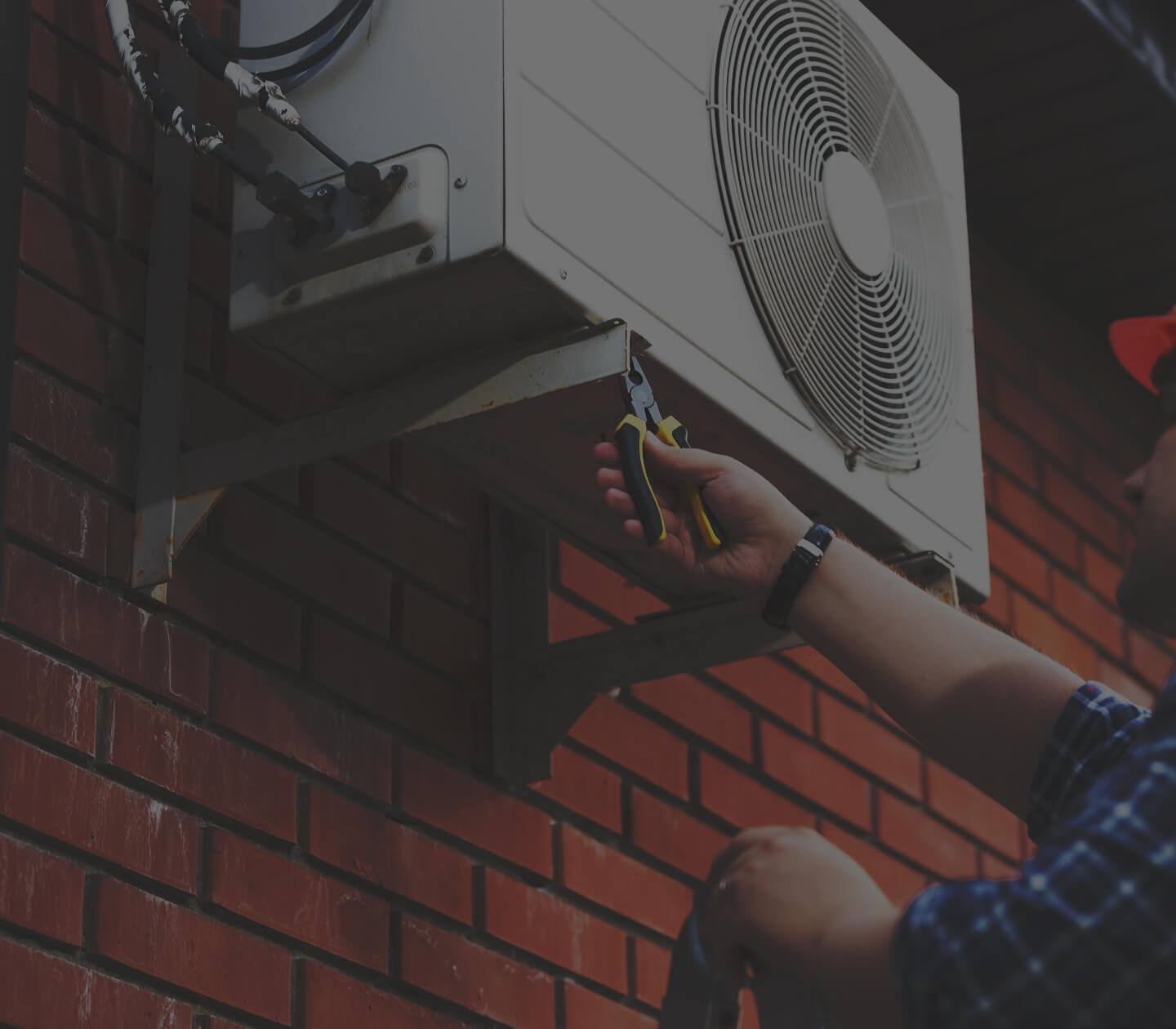
If your electricity bill has doubled since June, you’re not imagining it. Austin summers put real strain on home cooling systems, and for most families, the AC becomes the single biggest line item on the utility bill. Learning how to lower energy bills with HVAC changes that actually work, not just tips that sound good on paper, can make a noticeable difference by August.

The good news is you don’t need to overhaul your whole system to see savings. A few adjustments to how you cool your home, paired with keeping your equipment in good shape, go a long way.
Why Is My Energy Bill So High in Summer?
It’s a fair question, especially when the bill jumps by hundreds of dollars in a single month. A few things are working against you at once. Austin regularly sees stretches of 100-degree days, which means your AC isn’t just turning on and off, it’s running for hours at a time trying to keep up. Older or poorly insulated homes lose that cool air almost as fast as the system produces it, especially around attics, windows, and door frames that weren’t built with today’s summer temperatures in mind.
There’s also the reality of how most people use their thermostats. Setting the AC to a very low temperature doesn’t cool your home faster, it just makes the system run longer than necessary once it gets there. And if your system hasn’t had a tune-up in a year or more, it may be working harder than it needs to just to hit the same temperature it used to reach easily. A dirty filter, low refrigerant, or a coil that needs cleaning can quietly increase your energy use without any obvious warning signs.
Austin Energy’s rate structure adds to this too. Electricity costs more per kilowatt-hour the more you use, so a system running inefficiently during peak summer months doesn’t just cost more in raw usage, it can push you into a higher pricing tier altogether.
Practical Ways to Lower Your Energy Bill This Summer
Some of these are things you can start today. Others are worth planning for before next summer rolls around.
- Set your thermostat a few degrees higher when you’re away or asleep, rather than keeping it at one constant temperature all day
- Close blinds or curtains on windows that get direct afternoon sun, especially on the west side of the house
- Replace your air filter every one to three months so airflow isn’t restricted
- Use ceiling fans to help circulate cool air, which lets you raise the thermostat a degree or two without losing comfort
- Seal obvious gaps around doors and windows where cool air can escape
- Avoid running the oven or dryer during the hottest part of the day, since both add heat and humidity your AC then has to work against
None of these require a big investment, but together they can meaningfully reduce how hard your system has to work.
Is a Smart Thermostat Worth It?
For a lot of Austin homeowners, yes. A smart thermostat learns your household’s schedule and adjusts automatically, so you’re not paying to cool an empty house during the workday or overcooling a home at 2 a.m. when everyone’s asleep under blankets anyway. The bigger benefit is consistency. Manual thermostats rely on someone remembering to adjust the temperature, and most families just don’t do that reliably.
Installation matters more than people expect. A smart thermostat installed without checking your system’s wiring and compatibility can cause more problems than it solves, from inaccurate readings to a unit that doesn’t communicate properly with your AC. If you’re considering the upgrade, it’s worth having someone check your current thermostat setup first so you know it’ll actually work with your home’s system.
Don’t Skip AC Maintenance
This is the one homeowners tend to overlook, mostly because the system still seems to be working fine. But a system that’s cooling your home is not the same as a system that’s cooling it efficiently. Regular AC maintenance catches the small issues, like a dirty coil or low refrigerant, before they turn into higher bills or a breakdown in the middle of a heat wave.
FAQ
How much can a smart thermostat actually save me?
It varies by household, but most homeowners see a noticeable difference once the thermostat starts adjusting automatically instead of running on a fixed schedule.
Do I need maintenance every year if my AC seems fine?
Yes. Many efficiency issues don’t show up as obvious problems until the bill arrives or the system fails during peak summer heat.
What’s the fastest way to lower this month’s bill?
Start with the thermostat and airflow basics. A few consistent habit changes can show up on your next bill, while bigger fixes like maintenance or a smart thermostat pay off over the full summer.
Still Need Help?
If your bill still feels too high after making these changes, it may be worth having a technician take a closer look. You can schedule an appointment and get a straight answer about what’s actually driving your costs up.