

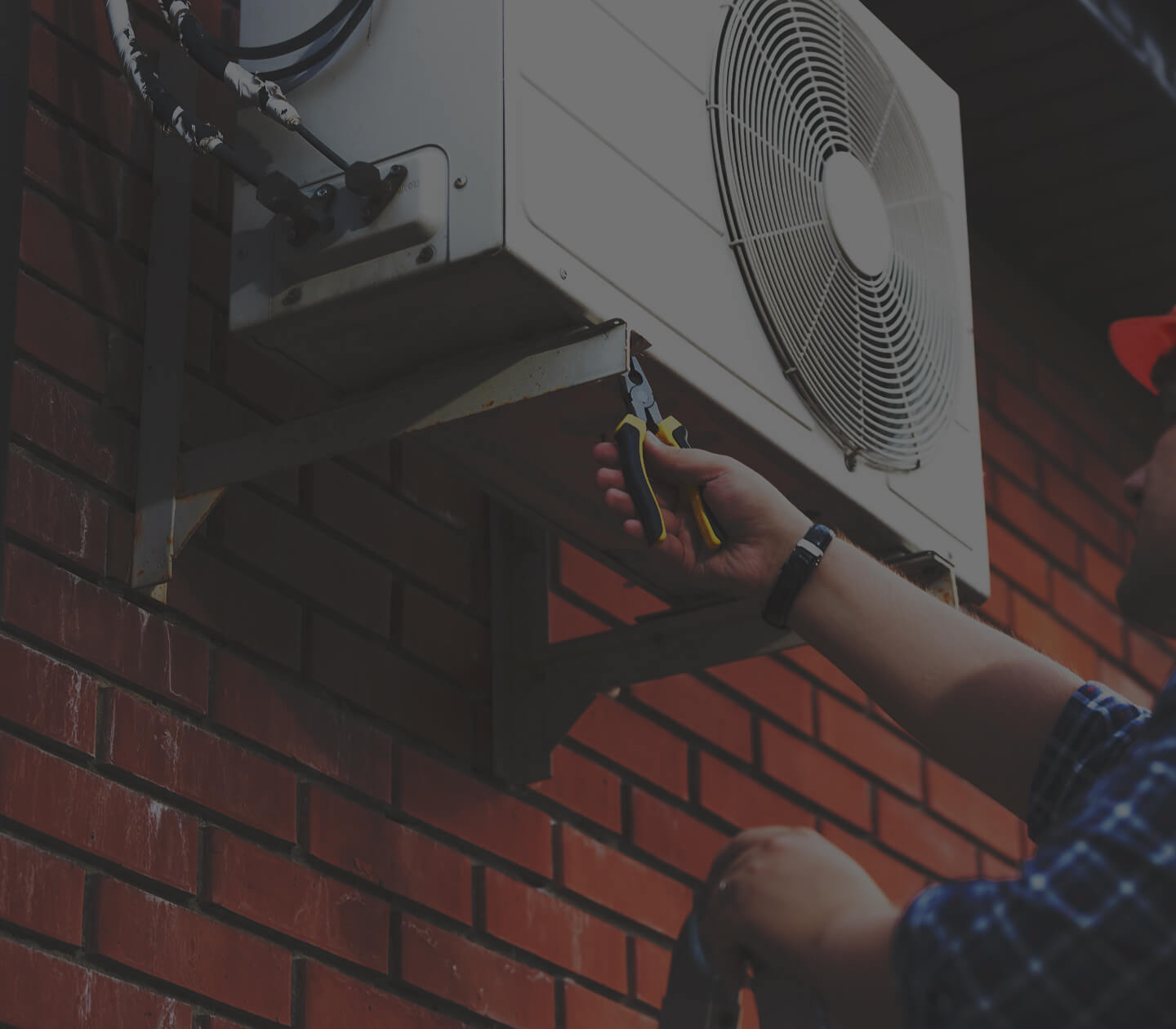
A comfortable building is easy to take for granted until the cooling stops on a 100-degree afternoon in the middle of a workday. For businesses that rely on commercial HVAC in Austin, TX, regular maintenance is one of the simplest ways to keep that from happening.
Commercial systems work harder and longer than residential ones, and Central Texas gives them very little time off. This post covers what deferred service can cost your business, what a maintenance plan includes, what affects the price of a plan, and how to keep your equipment running when you need it most.
What Deferred Service Costs Your Business
Skipping a maintenance visit can look like a savings on paper. In practice, the costs tend to show up later and all at once:
- Unplanned downtime: A failed rooftop unit can force you to close early, reschedule appointments, or send staff home.
- Emergency repair calls: Breakdowns rarely happen at a convenient time, and urgent repairs during peak season are harder to schedule and plan for.
- Higher energy bills: Dirty coils, clogged filters, and worn parts make equipment run longer to reach the same temperature.
- Shorter equipment life: Small problems left alone put extra strain on compressors and motors, which moves your replacement date up.
- Comfort complaints: A space that feels stuffy or humid affects how long customers stay and how well employees work.
None of these costs appear on a maintenance invoice, which is why they are easy to overlook until something fails.
How Austin’s Climate Wears Down Commercial Equipment
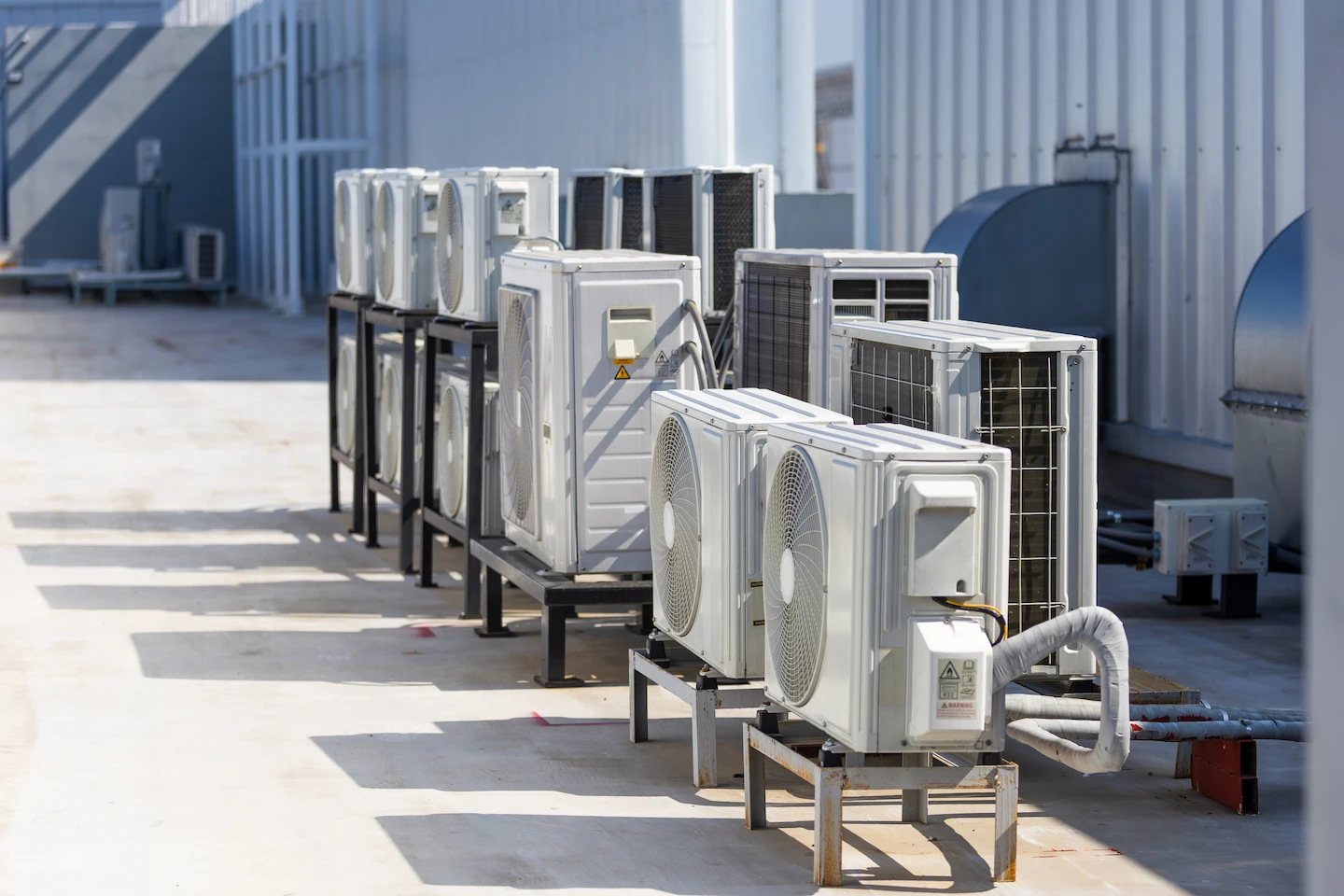
Austin’s cooling season starts early and runs late, so commercial systems log a lot of hours each year. A restaurant kitchen, a retail space with doors opening all day, or an office full of computers and people adds even more heat for the system to remove. Rooftop units sit in direct sun all summer, and the heat on a commercial roof can be far higher than the temperature at street level. That constant load wears on compressors, fan motors, belts, and electrical components. Rooftop equipment also takes the brunt of strong storms, and hail or wind-blown debris can bend coil fins and damage fan guards.
Dust, pollen, and debris also build up on outdoor coils and filters, and high humidity keeps condensate drains working through the warmer months. When drains clog or coils get dirty, equipment loses efficiency and the risk of water damage or a shutdown goes up. Winters here are short, but the occasional hard freeze still puts heating equipment to work, and a system that has sat idle for months should be checked before it has to run.
Signs Your Equipment Needs Attention Now
Some problems give you a warning before they turn into a shutdown. If you notice any of these, it is worth scheduling a service visit before your next planned maintenance:
- Parts of the building that won’t hold the set temperature
- Rattling, grinding, or squealing from rooftop units or air handlers
- Water stains on ceiling tiles or puddles near indoor equipment
- Ice forming on refrigerant lines or indoor coils
- Equipment that turns on and off more often than usual
- Musty odors or more dust than normal coming from the vents
Staff and regular customers often notice these changes first, so it helps to give employees an easy way to report comfort issues when they come up.
What a Commercial HVAC Maintenance Plan Covers
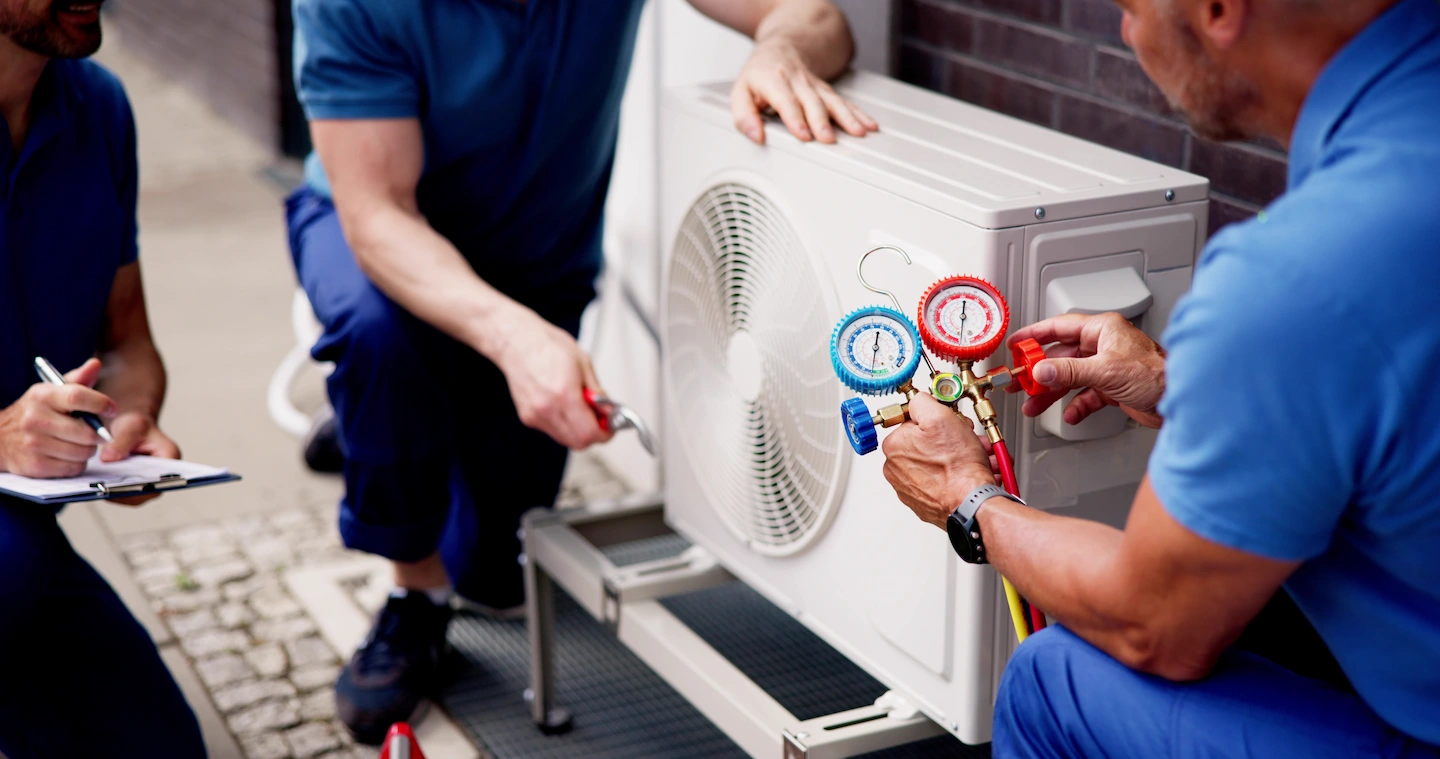
Our commercial maintenance programs follow manufacturer recommendations and cover the equipment that keeps your building running, from split systems to rooftop units. A typical maintenance visit includes:
- Cleaning or inspecting evaporator and condenser coils
- Replacing filters
- Checking refrigerant levels and system pressures
- Inspecting belts, motors, and bearings
- Testing electrical connections, controls, and thermostats
- Clearing condensate drain lines
- Checking heating components before cooler weather arrives
A commercial HVAC maintenance plan in Austin also makes your HVAC spending easier to plan. You pay for regular service on a set schedule, and our programs include failure coverage for parts and labor, so an unexpected breakdown is less likely to throw off your budget.
Factors That Shape HVAC Maintenance Plan Cost
HVAC maintenance plan cost varies from one building to the next, so the best way to know what your business will pay is to get an estimate based on your actual equipment. The main factors include:
- The number and type of units, such as split systems or rooftop units
- The age and current condition of your equipment
- How often your system needs service based on how hard it runs
- The size of your building and how easy it is to reach the equipment
- The level of coverage included in the plan
When you compare plans, look at how many visits are included, which tasks happen at each visit, and whether repairs are covered. Two plans with a similar price can include very different levels of service. We offer free estimates, so you can see what a plan includes and budget for it before you commit.
When a Service Visit Uncovers a Repair
Maintenance visits often catch problems before they cause a shutdown, such as a failing capacitor, a worn belt, or a refrigerant leak. When a repair is needed, our team handles commercial HVAC repair in Austin, TX on all types of heating and cooling equipment, whether your system is new or has been in service for years. Our technicians can also point out upgrades or adjustments that would help your equipment use less energy.
If your equipment is reaching the end of its service life, we can talk through retrofit and replacement options so you can plan for it instead of reacting to a failure. Weekend and after-hours emergency service is also available when you need it.
Common Questions From Business Owners
How often should commercial HVAC equipment be serviced?
Most commercial systems benefit from at least two visits a year, one before the cooling season and one before cooler weather. Buildings with heavy use, like restaurants or facilities that run long hours, may need more frequent service.
What types of systems do you work on?
Along with the cooling equipment covered in a maintenance plan, our commercial team works on heat pumps, furnaces, ventilation systems, dehumidifiers, and programmable and Wi-Fi thermostats.
Is a maintenance plan worth it for a business with only one or two units?
For many small businesses, it is. When you only have one or two units, a single breakdown can affect your entire space, so keeping that equipment in good shape matters just as much as it does for a large building.
How can we prepare for a maintenance visit?
It helps to arrange access to the roof, mechanical rooms, and any locked equipment areas ahead of time. If staff have mentioned hot spots, unusual noises, or leaks, share those with your technician at the start of the visit.
Keep Your Business Comfortable Year-Round
Your HVAC system affects your customers, your employees, and your operating costs every day. A consistent maintenance schedule keeps it running efficiently and gives you a clear picture of what to expect from your equipment. TemperaturePro serves businesses across Austin and West Austin, and our team can build a maintenance plan around your building and equipment.
Call us at 512-953-5822 or schedule service online to get started.