

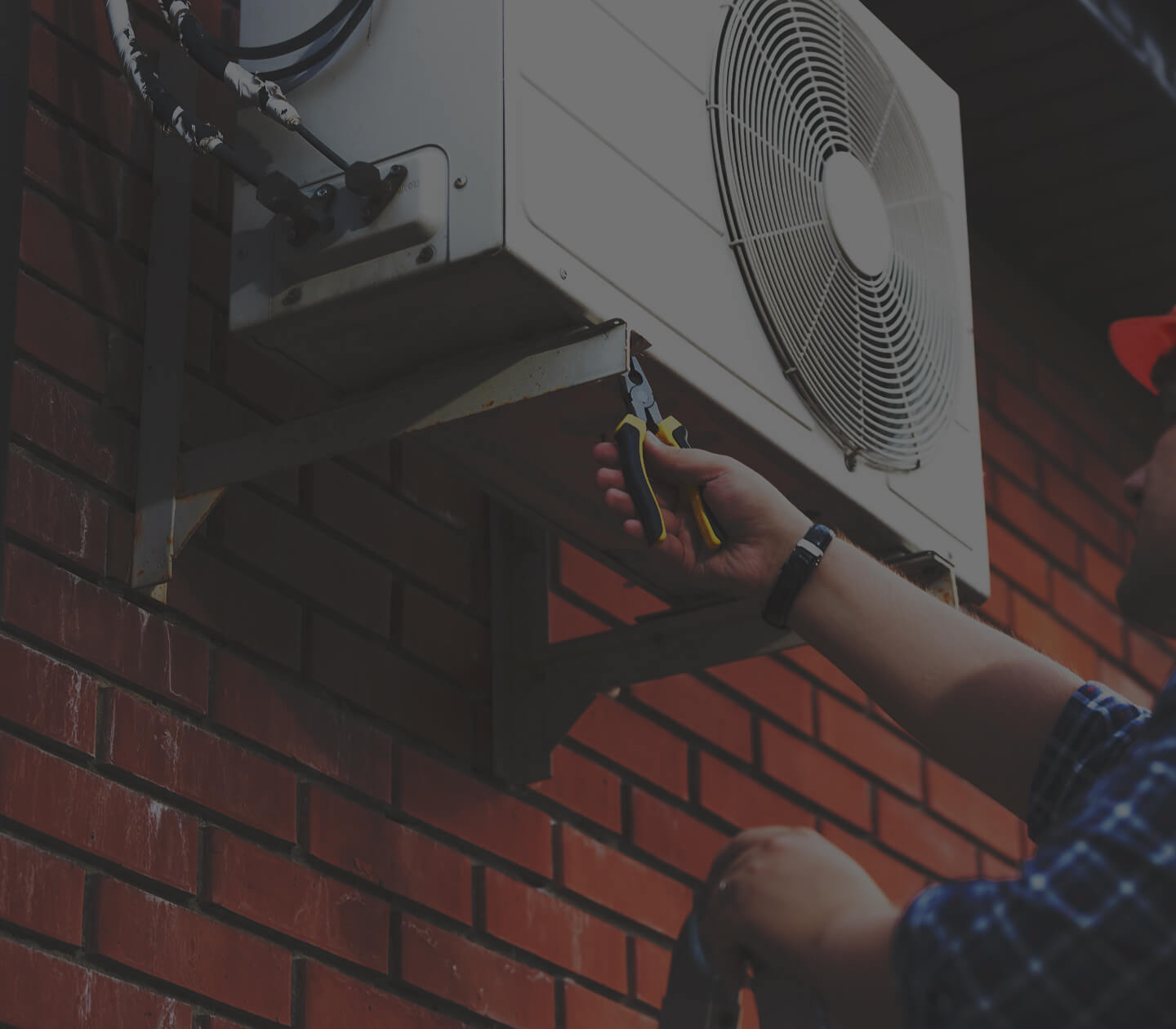
If your AC is getting older or your furnace is close to the end of its life, you may be weighing a heat pump vs central air in Texas. Both systems can keep your home cool through an Austin summer, and both can keep you warm when a cold front rolls through. The real differences come down to how each one produces heat, what it costs to run over a full year, and how well it fits the home you already have.

This guide covers how the two systems compare in Central Texas weather, where ductless mini splits fit in, and what to consider before you replace your current equipment.
The Core Difference Between the Two Systems
With central air, cooling and heating come from two different pieces of equipment. An air conditioner outside your home cools the air, and a furnace indoors heats it, either by burning natural gas or by running electric heating elements. In most setups, the furnace’s blower also pushes the cooled air through your ducts during the summer.
From the curb, a heat pump’s outdoor unit looks almost identical to an AC condenser. The difference is a reversing valve inside that lets the system run its refrigerant in either direction, so the same unit can cool your home in July and warm it in January. Indoors, a heat pump usually connects to an air handler instead of a furnace. Both setups send air through the same kind of ductwork, so switching from one to the other usually doesn’t require new ducts.
How Each System Handles Austin’s Climate
Summer Cooling Performance
For cooling, a heat pump and a central air conditioner perform about the same. Both are rated by SEER2, which measures how much cooling you get for the electricity the system uses, and the ability to heat doesn’t take anything away from a heat pump’s cooling performance.
That means summer usually isn’t the deciding factor. With matching SEER2 ratings and capacity, you can expect similar comfort and similar electric bills through the hottest months. The bigger trade-offs show up once the weather turns cool.
Winter Heating and Hard Freezes
Heat pumps work most efficiently in mild weather, and Central Texas winters spend most of their time in that range. On a typical winter day, a heat pump can warm your home using less electricity than an electric furnace would need to produce the same amount of heat.
Hard freezes do happen here, and a heat pump puts out less heat as the outdoor temperature drops. Heat pumps in this area are commonly installed with electric backup heat strips that turn on during those colder stretches. Some homeowners choose a dual-fuel system instead, which pairs a heat pump with a gas furnace that takes over only when it gets cold enough. If your home already has a gas furnace in good condition, dual fuel can be a practical middle ground.
Comparing Running Costs, Upkeep, and Repairs
Beyond comfort, a few practical differences tend to shape the decision:
- Energy use: Heating is where operating costs start to differ. A heat pump usually costs less to run than electric resistance heat, while the comparison with a gas furnace depends on current gas and electric rates.
- Maintenance: A central air system has two pieces of equipment to service, including safety checks on a gas furnace. A heat pump’s outdoor unit runs in both seasons, so a tune-up before summer and another before winter keeps it ready for each.
- Repairs: With central air, a furnace problem doesn’t affect your cooling, and an AC problem doesn’t affect your heating. Since a heat pump uses one outdoor unit for heating and cooling, a single issue with it can affect both at once.
- Utility connections: A heat pump runs on electricity alone, which makes it a natural fit for all-electric homes. A gas furnace needs a gas line and proper venting.
If a heat pump sounds like the right direction, you can read more about heat pump installation in Austin and request a free, no-obligation quote.
Where Ductless Mini Splits Fit In
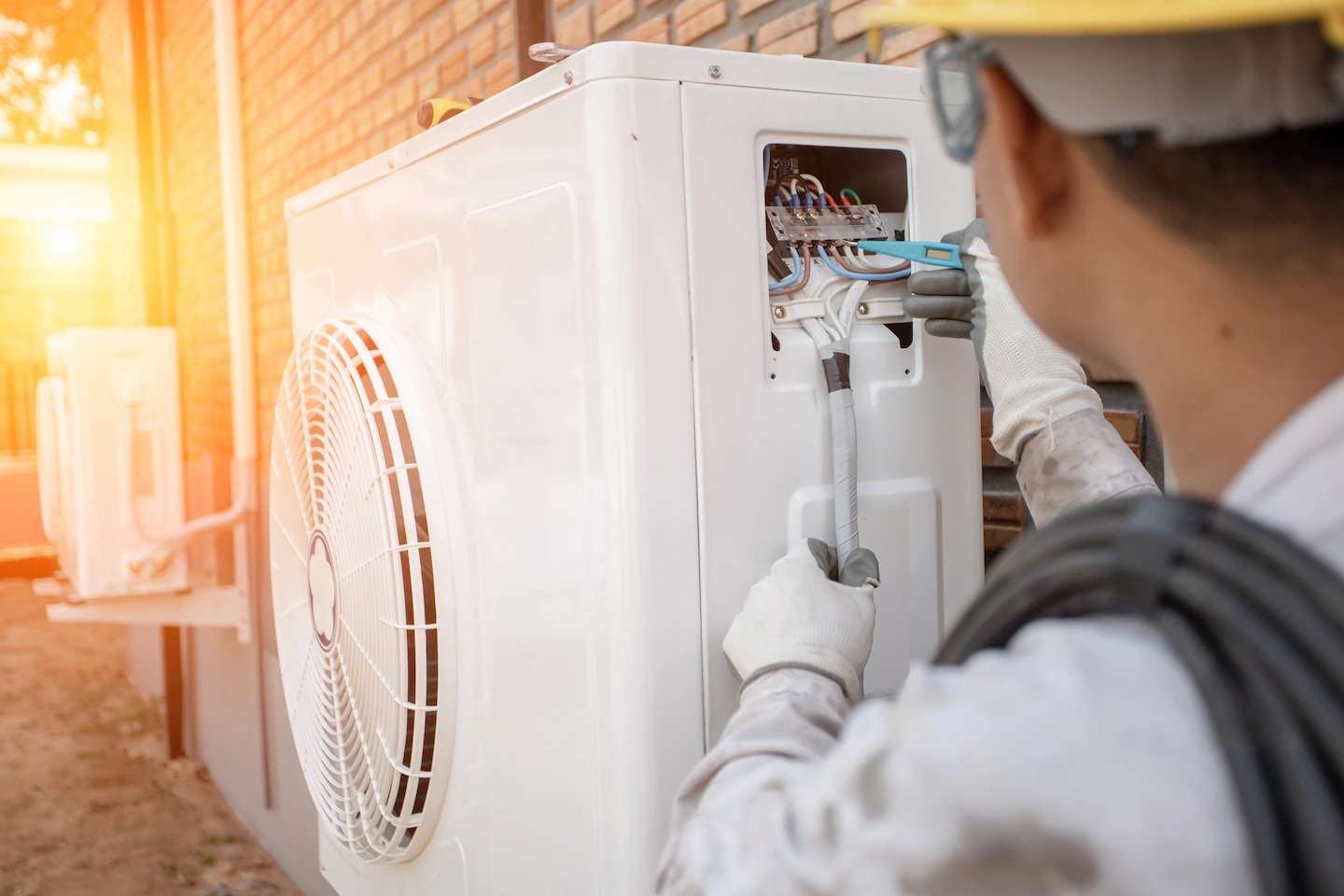
Some parts of a home don’t connect easily to central ductwork. Most ductless mini splits are heat pumps that send refrigerant from an outdoor unit to one or more indoor units mounted on the wall or ceiling, and each indoor unit heats and cools its own space. They’re a common choice for garages, sunrooms, home additions, and renovated rooms where extending ducts would be difficult. If you have a space like that, we offer free quotes on mini split installation in Austin, TX.
Ductless AC Pros and Cons
Mini splits work well in the right situation, but they come with trade-offs worth knowing before you commit.
Pros:
- No ductwork, which avoids the energy lost through hot attic ducts
- A separate thermostat for each indoor unit, so you only heat or cool the rooms you’re using
- Strong efficiency ratings compared with many ducted systems
- Quiet operation from the indoor units
- Installation that usually needs only a small opening in the wall for the refrigerant line
Cons:
- Indoor units stay visible on the wall or ceiling
- Covering a whole house can take several indoor units, which adds to the project cost
- Each indoor unit has a filter that needs regular cleaning
- Air doesn’t move easily into closed-off rooms that don’t have their own unit
Matching the System to Your Situation
The best choice depends on what you have now and what you need next. A few situations come up often.
If your AC and furnace are both near the end of their life, replacing them with a heat pump lets you trade two pieces of equipment for one system that handles both seasons. For an all-electric home, this is usually the most efficient path.
If your gas furnace is still in good shape but your AC needs replacing, you have options. You can install a new air conditioner and keep the furnace as it is, or add a heat pump and keep the furnace as backup heat in a dual-fuel setup.
If you’re adding living space or have a room that never stays comfortable, a mini split can solve that problem without changes to your main system.
Common Questions About Making the Switch
Can I keep my existing ductwork if I switch to a heat pump?
In most cases, yes. Heat pumps and central air systems use similar ductwork. A technician should still check your ducts for leaks, damage, and proper sizing before the new system goes in.
Will a heat pump feel as warm as a gas furnace?
Air from a heat pump comes out of the vents cooler than air from a gas furnace, so it can feel less hot on your hand even while it keeps your home at the temperature you set. To make up the difference, a heat pump runs longer, steadier cycles.
Are ductless mini splits a good choice for an entire house?
They can be, especially in homes without existing ductwork. For homes that already have ducts in good condition, a central heat pump or AC is often the simpler choice, with mini splits added for specific rooms that need extra help.
Find the Right Fit for Your West Austin Home
If you’re deciding between a heat pump, central air, or a ductless system, our technicians can come out, look at your current equipment and ductwork, and lay out your options side by side. We serve homes across West Austin, offer free, no-obligation quotes on new systems, and have financing available.
Call TemperaturePro at 512-953-5822 or schedule service online to get started.