

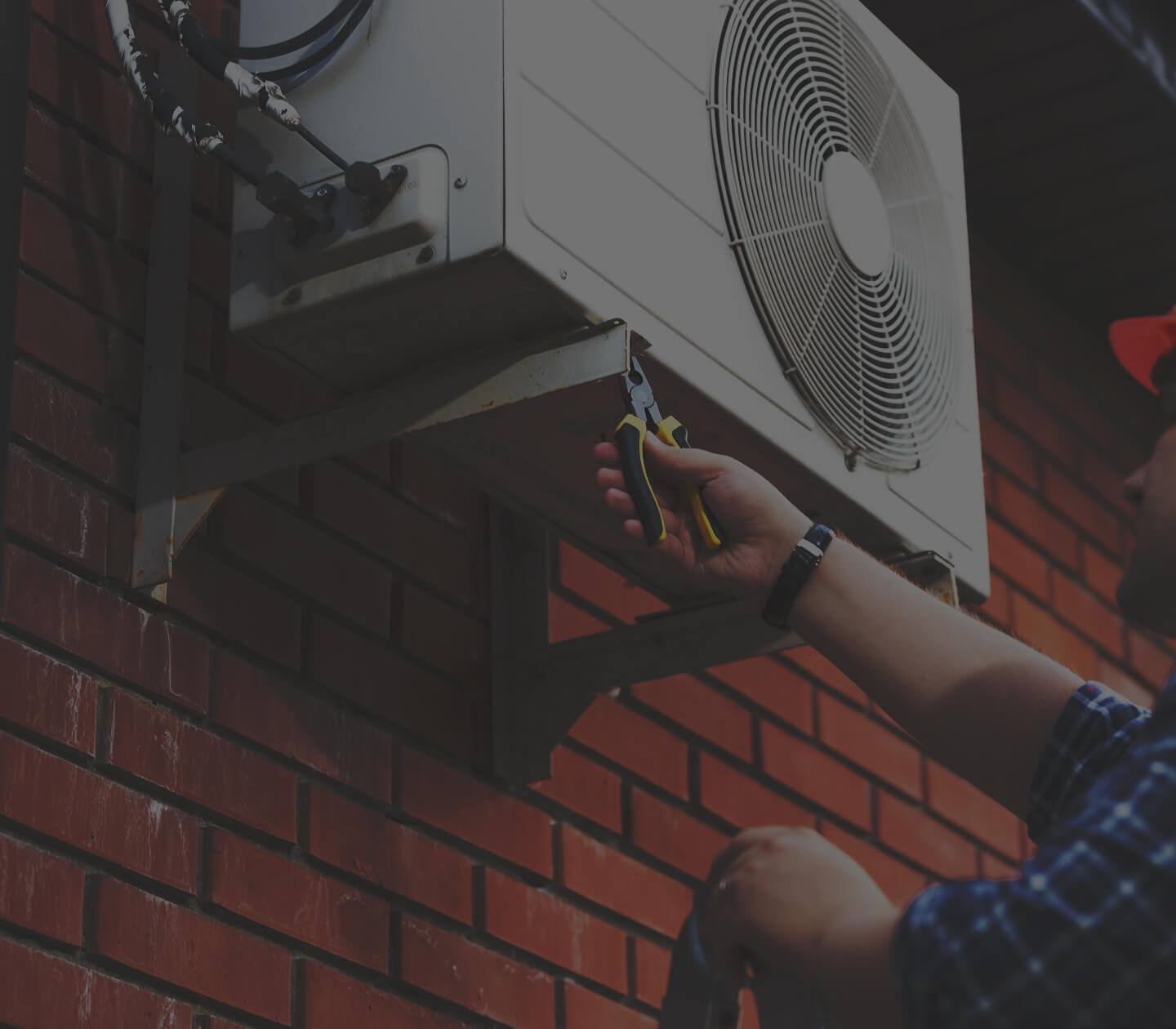
If you’ve been hearing more about heat pumps lately and wondering whether they actually hold up in Texas summers, you’re not alone. There’s a lot of buzz around them right now — and a fair amount of confusion, too. The good news is that modern heat pumps are more capable than most people realize, and for many Austin homeowners, they’re worth a serious look.
So, What Is a Heat Pump and How Does It Work?
Despite the name, a heat pump doesn’t just heat your home — it handles both heating and cooling, which makes it a year-round workhorse. Here’s the basic idea: rather than generating heat by burning fuel or using electric resistance coils, a heat pump moves heat from one place to another.
In the summer, it pulls heat out of your home and transfers it outside — essentially working like a refrigerator for your whole house. In the winter, it reverses the process, extracting heat from the outdoor air (yes, even cool air contains heat energy) and bringing it inside. The result is a system that can heat and cool efficiently without two separate units doing the heavy lifting.
Heat Pump vs. Central Air in Texas — How Do They Compare?
This is the question we hear most from Austin homeowners, and it’s a fair one. Traditional central air conditioning systems do one thing: cool your home. They pair with a separate furnace for heating, which means you’re essentially maintaining two systems. A heat pump consolidates both functions into one.
From a performance standpoint, modern heat pumps are well-suited for the Texas climate. Our winters are mild enough that a heat pump rarely has to work hard to keep a home comfortable, and today’s units are designed to handle high ambient temperatures without losing efficiency the way older models did. The main concern people have — that heat pumps can’t keep up when it’s 105 degrees outside — has largely been addressed by advances in variable-speed compressor technology.
That said, central air still has its place. If your home already has a relatively new, efficient AC system and a gas furnace you love, a full heat pump replacement might not be the most financially practical move right now. The right answer depends on your current setup, your home’s size, and your long-term goals.
Does Heat Pump Cost in Austin, TX Make It Worth It?
Let’s talk about money because that’s usually what it comes down to. Heat pump installation in Austin typically costs more upfront than a standard AC unit — but the operating costs tell a different story.
Because heat pumps move energy rather than create it, they can deliver two to three times more heating or cooling output per unit of electricity consumed. Over time, that efficiency translates into lower monthly utility bills, which can offset the higher initial investment. How quickly depends on your usage patterns, your current system’s age, and energy prices — but most homeowners start seeing meaningful savings within a few years.
It’s also worth knowing that federal tax credits are currently available for qualifying heat pump installations, and some utility providers offer rebates as well. These incentives can meaningfully reduce your out-of-pocket costs, so it’s worth asking your installer what you might qualify for before making a decision.
What About Austin’s Extreme Summer Heat?
Here’s where a lot of homeowners get tripped up. The assumption is that because Texas summers are brutal, a heat pump must be pushing its limits constantly. The reality is a bit more nuanced.
Heat pumps do become less efficient as outdoor temperatures rise — this is physics, not a design flaw. But most quality units installed today are rated to operate effectively well above 100°F, which covers the vast majority of Austin summer days. During an extreme heat event, your heat pump may run longer cycles to maintain your set temperature, but so does any cooling system.
The bigger factor is usually home efficiency — insulation, window quality, attic ventilation, and duct condition all play a significant role in how hard any HVAC system has to work. A well-sealed, well-insulated home paired with a properly sized heat pump is a combination that performs well even in the Texas summer.
Getting the Right System for Your Home
One thing that matters more than almost anything else with heat pumps is proper sizing and installation. An undersized unit will struggle in peak heat. An oversized unit will short-cycle, wear out faster, and leave you with inconsistent comfort. Either way, you end up spending more than you should.
This is why working with an experienced local installer matters. A technician familiar with Austin’s climate, home construction styles, and utility landscape is going to give you better guidance than a one-size-fits-all recommendation from an online calculator.
Frequently Asked Questions
Can a heat pump really handle Texas summers?
Yes — modern heat pumps are designed for high ambient temperatures and perform well in Austin’s climate. Variable-speed units in particular handle extreme heat more efficiently than older single-stage models.
Will I still need a furnace if I install a heat pump?
Most homeowners in Central Texas don’t need a separate furnace with a heat pump. Our winters are mild enough that the heat pump handles it. In rare cases, a backup heating element may kick in during unusually cold stretches, but it’s not often needed here.
How long does a heat pump last?
With regular maintenance, most heat pumps last 15–20 years. Because they’re running year-round (rather than seasonally like a furnace or AC), staying on top of annual tune-ups is especially important.
Is heat pump installation in Austin disruptive?
Not significantly. Most installations are completed in a day. If you’re replacing an existing system, the process is fairly straightforward. Your installer will walk you through what to expect beforehand.
What size heat pump do I need?
Sizing depends on your home’s square footage, insulation, ceiling height, window exposure, and other factors. A proper Manual J load calculation — not just a rough estimate — is the right way to determine the correct size.
Ready to Find Out If a Heat Pump Is Right for You?
There’s no universal right answer when it comes to HVAC decisions, and heat pumps aren’t the best fit for every situation. But for a lot of Austin homeowners, they offer a smart combination of efficiency, versatility, and long-term value that’s hard to beat. If you’re curious whether a heat pump makes sense for your home, the best place to start is a conversation with our team at Temperature Pro. We know the local climate, the local utility landscape, and what actually works here in West Austin.