

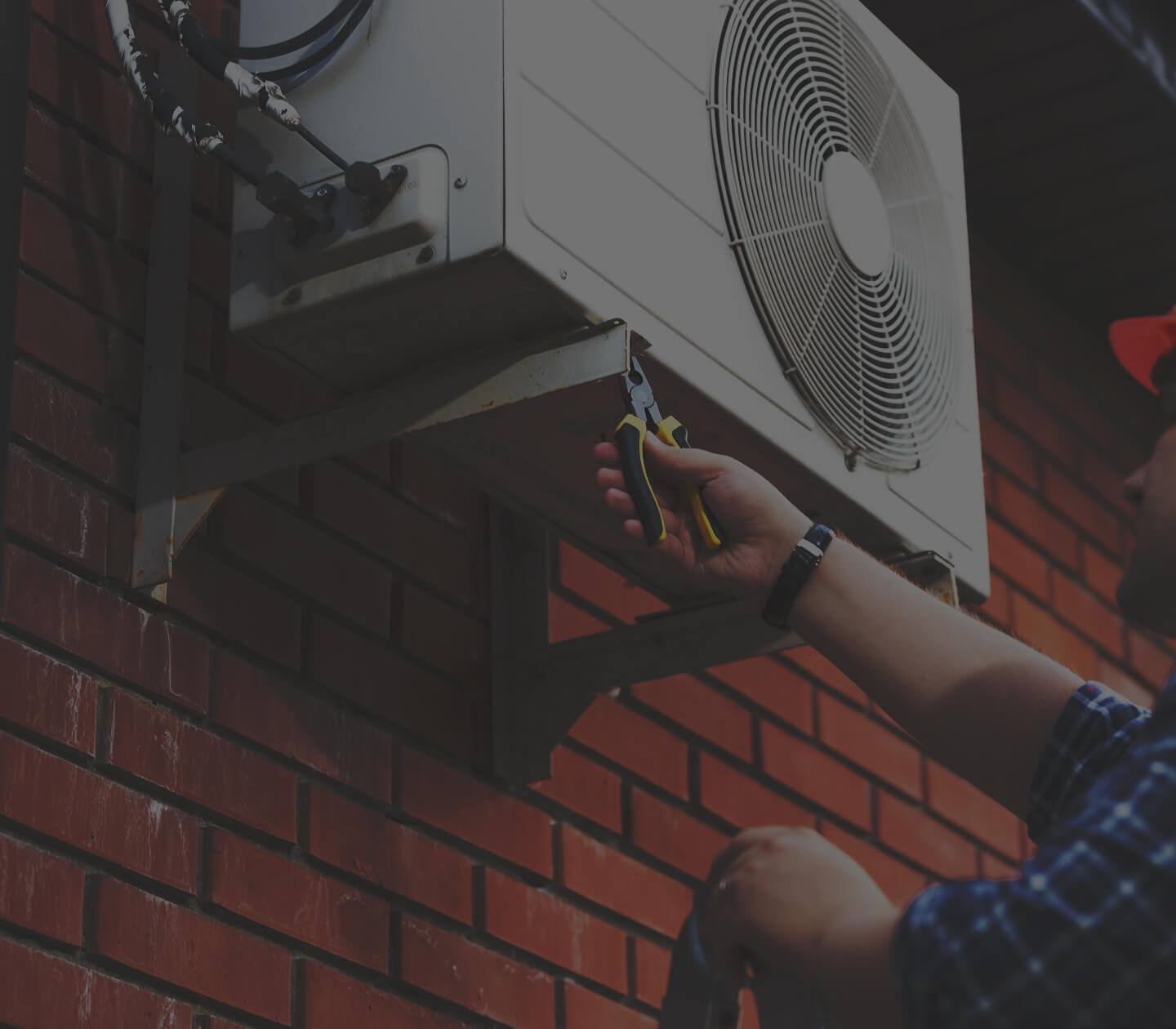
When it comes to true comfort in your home, understanding how much it costs to run your heater is just as important as choosing the right system. Many homeowners focus on the upfront installation costs, but end up overlooking the ongoing energy usage of their heating equipment. Heating costs are directly linked to how much power your system uses and how efficiently it converts that power into heat. To help in understanding this, we’ll break down the core concepts of watts, amps, BTU, and how they affect your heater’s running cost so you can make informed decisions about your HVAC system.

What Watts and Amps Mean for Your Heater
Every electric heater is rated in Watts and draws a certain amount of Amps at a given voltage. Watts are the unit of electrical power your heater uses, while amps are the electrical current flowing through the system. The relationship between these units is simple: watts equal volts multiplied by amps. For example, if a heater draws 10 amps on a 240-volt circuit, it uses 2400 watts of power. This is important because electrical utilities charge customers based on the energy used over time, not the instantaneous power.
When you see a heater’s wattage, you can estimate how much electricity it will consume. Now, to convert to Kilowatts (kW), you just need to divide watts by 1000. If you run a 2 kW heater for one hour, it uses 2 kilowatt-hours (kWh) of energy. Your energy bill shows how many kWh you used, and your utility’s price per kWh determines your cost. For example, at a rate of ten cents per kWh, a 2 kW heater running for five hours would cost roughly one dollar.
What BTU Tells You About Heater Output
While watts and amps describe electrical usage, BTU, or British Thermal Units, describe how much heat energy a heater produces. One BTU is the amount of heat needed to raise one pound of water by one degree Fahrenheit. In heating capacity terms, BTU is typically expressed per hour (BTU/hr), and bigger numbers indicate more heating power. Most central heaters and furnaces are sized in thousands of BTUs based on the square footage and insulation of your home.
Because electrical units and heating units use different measurements, you often need to convert BTU to watts or vice versa. The common conversion factor is that one watt of electrical input roughly equals 3.412 BTU per hour of heat output. This means if a heater consumes 1000 watts, it can generate about 3412 BTU/hr of heating capacity.
Efficiency and Real-World Running Cost
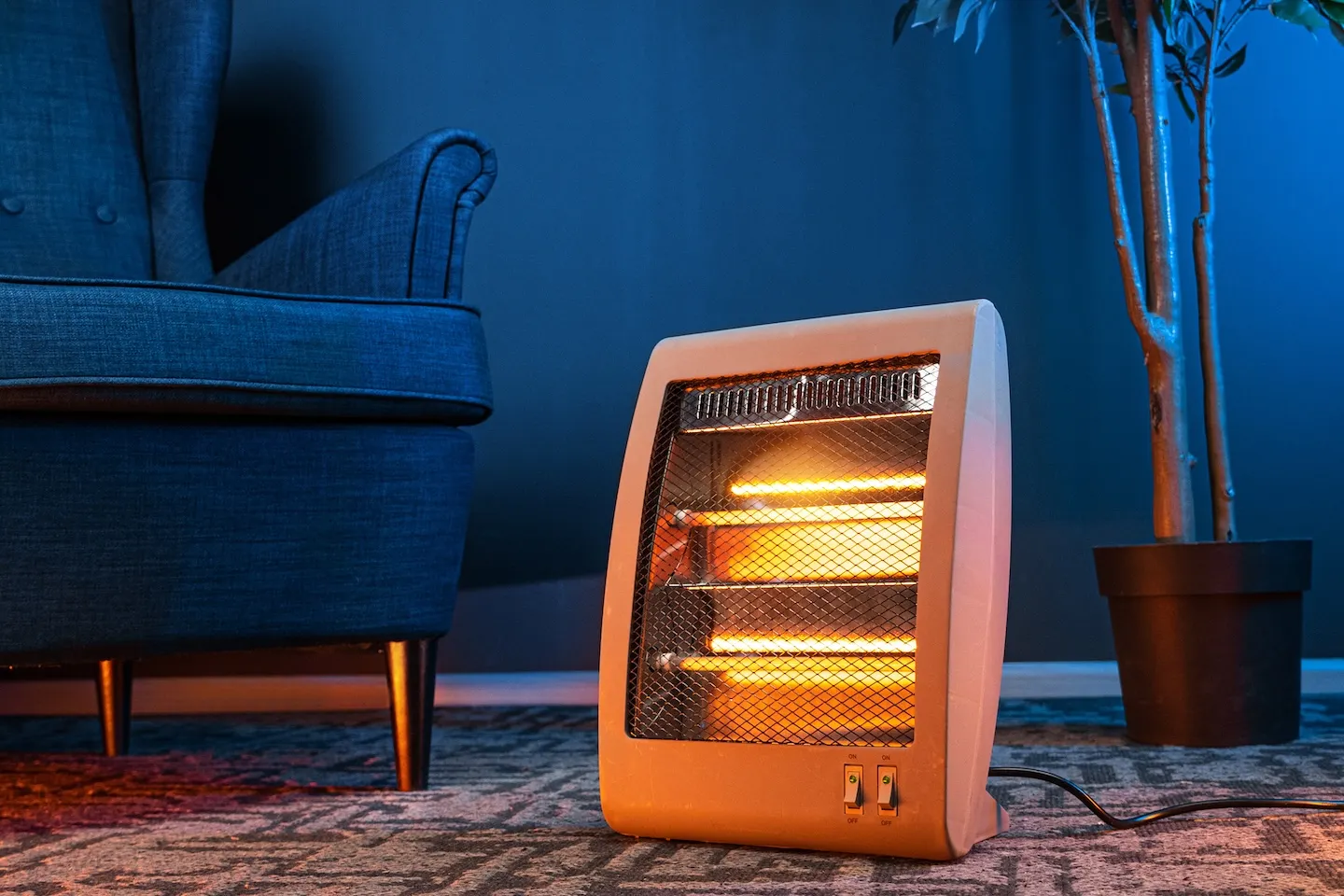
Now, to keep things interesting, not all heaters convert electrical power into heat equally. Electric resistance heaters, like baseboard or portable heaters, for example, convert electrical energy into heat at nearly 100% efficiency, meaning all the energy is turned into warmth. Conversely, large HVAC systems like heat pumps or furnaces use advanced technology to move heat rather than create it, which can result in much higher effective heat output for the same electrical input. For example, a heat pump’s efficiency rating, such as HSPF, can indicate it delivers multiple BTUs of heat for each watt of electrical energy it consumes, effectively lowering cost per BTU.
In contrast, non-electric fuel systems like gas furnaces have their own efficiency ratings based on how much heat they extract from the fuel. High-efficiency gas furnaces achieve better output with less energy input and can help reduce ongoing gas costs even if electricity is needed for fans and controls. At TemperaturePro Austin, our technicians help evaluate all of these factors when recommending systems for your home, so you can rest assured you’re getting informed, professional advice.
Tips to Manage Heater Running Costs
Understanding watts, amps, and BTU gives you the knowledge to estimate heater running cost, but real savings come from how your system is used and maintained. Just a few smart habits and upgrades can make a noticeable difference in your monthly energy bills.
Choose a heater or HVAC system that is properly sized for your home:
Oversized systems cycle on and off too often, while undersized systems run longer than necessary, both of which increase energy use.
Schedule regular heating maintenance:
Annual inspections and tune-ups help keep components clean, calibrated, and operating efficiently, which reduces wasted electricity or fuel.
Use a programmable or smart thermostat:
Lowering the temperature when you are asleep or away from home can significantly cut down on how many hours your heater runs each day.
Improve insulation and seal air leaks:
Proper attic insulation, weatherstripping, and sealing gaps around doors and windows help your home retain heat longer and reduce overall heater runtime.
Replace outdated equipment with high-efficiency models:
Modern heat pumps and furnaces deliver more BTUs per watt or unit of fuel, which lowers cost over time even if the upfront investment is higher.
Whether you are evaluating an existing heater or considering an upgrade, the right system, combined with proper maintenance, can make a noticeable difference in both performance and long-term cost. From system sizing to efficiency improvements, small changes can add up to meaningful savings over time.
Contact TemperaturePro Austin online today to schedule a heating inspection or service appointment and allow us to ensure your system is running efficiently, reliably, and ready for the season.