

Why Is My Heater Making Noise?

Even in a place like Austin, Texas, where we’re known for sweltering summers and pretty mild winters, our heating systems are absolutely essential in colder months. Since they are, relatively speaking, used rather rarely, they can be a huge source of frustration when they start to make unusual sounds. Homeowners often ask why is my heater making noise, or more specifically, why is my heater making a buzzing noise?

Understanding what different sounds mean can help you decide whether the issue is a harmless one or if it needs professional attention before things get worse. TemperaturePro is here to help, and in this blog, we’ll break down common causes of heater noise and recommend what actions to take next.
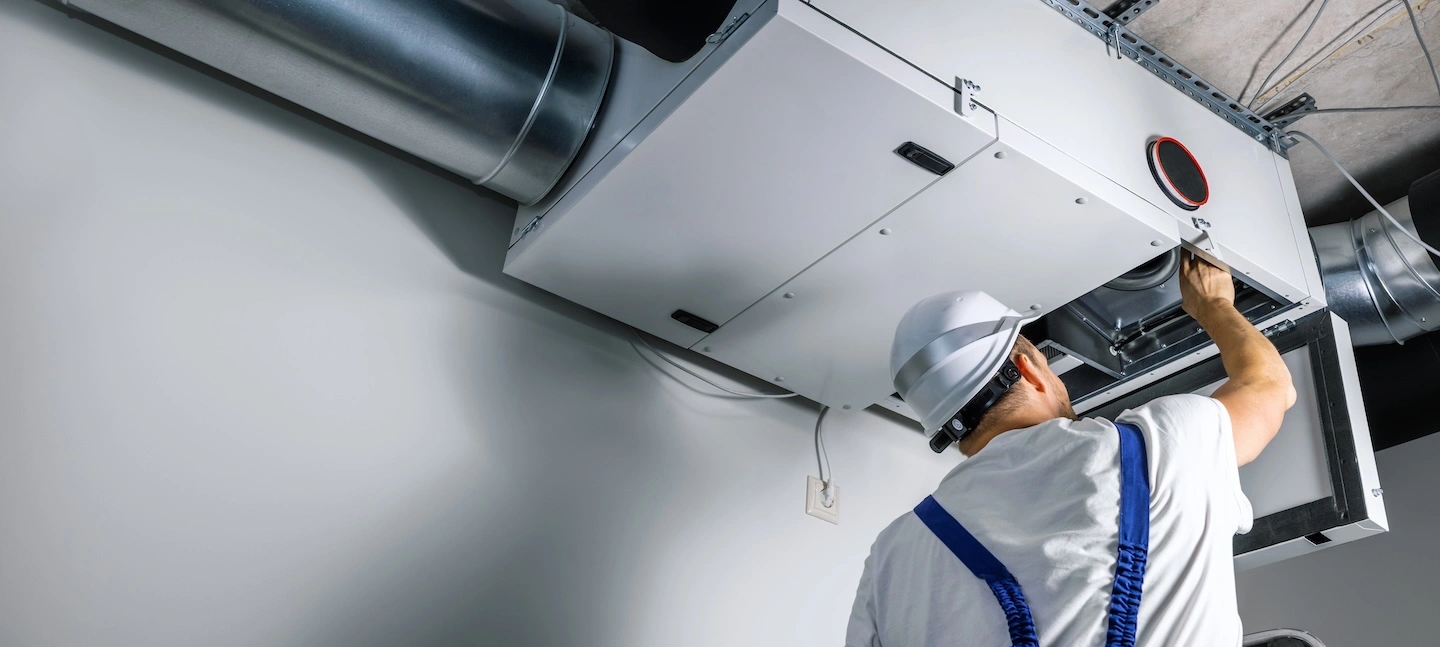
TemperaturePro technician repairing a rattling heating system.

Normal vs Unusual Heater Sounds

First of all, it’s important to differentiate regular operating noises from those that may indicate an internal issue. All heaters make some sound as part of normal operation. For example, metal expanding as it warms up can create popping or clicking sounds, especially when the unit turns on or off, and particularly if your heater hasn’t been turned on for a few months. These sounds are usually brief and harmless.

That said, not all noises are normal. Persistent sounds, especially any that seem to change or get louder over time, could indicate a problem and are worth investigating. If you find yourself frequently wondering, “Why is my heater making noise?”, it may be time to look further into it, or better yet, contact a professional HVAC technician like TemperaturePro to assist.

Buzzing Noises

A buzzing noise from your heater can be concerning as well as incredibly annoying, and it often points to electrical or mechanical issues. A constant hum or buzz is different from the occasional click of thermal expansion. Buzzing may be the result of electrical components vibrating under load, for example, loose wiring, failing capacitors, or issues with relays and transformers can all cause this sound.

In electric heaters, the fan and its motor are common sources of this type of buzzing. Over time, dust buildup, worn bearings, or unbalanced fan blades can cause vibration that results in this buzzing or humming sound. Prolonged buzzing is not something to ignore, as it’s likely to lead to reduced efficiency or even component failure if left unaddressed.
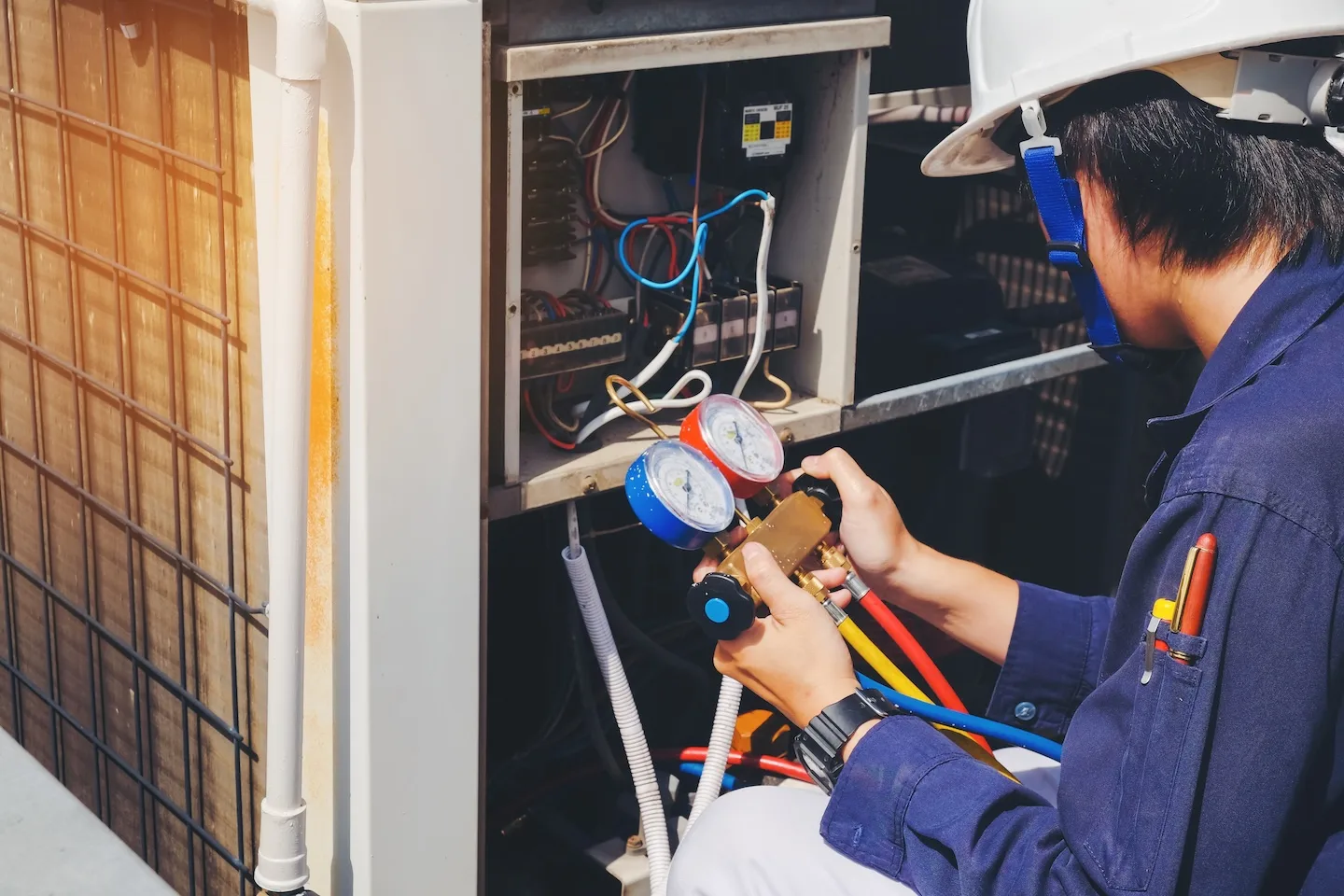
Technician running tests on a heater system to diagnose strange noises.

Gas Heaters and Noise

For homes with gas furnaces, the question of why is my gas heater making noise, often comes up if you hear rattling, whistling, or popping. Some sounds are byproducts of regular operation, like combustion or airflow, but others can be signs of issues in your system. For instance, rattling may be caused by loose panels or ductwork vibrating against each other, while whistling or hissing could indicate airflow restrictions, such as a dirty filter or blocked vent.

More serious sounds like loud banging or clanging shortly after startup could point to problems with gas ignition or delayed firing. This is really not something you want to ignore because it can impact both your safety and your system’s overall lifespan. If your gas heater is consistently noisy or sounds significantly different from previous seasons, having a professional inspect it is always recommended.

Electric Heaters and Strange Sounds

Electric heaters can also make a variety of noises. While a slight crackle or click during warm-up is common, persistent, unusual sounds can definitely be cause for concern. In addition to buzzing, electric heaters may produce squealing or grinding noises if the fan motor or blower wheel is worn or unbalanced. Finally, repeated clicking could be related to a malfunctioning thermostat or relay control.

If you wonder why your electric heater is making noise and the noise is accompanied by reduced heat output, or your system is cycling on and off irregularly, it is best to have a professional HVAC technician from TemperaturePro evaluate the unit.

While some heater noises are normal, persistent or loud sounds should certainly not be ignored. If your heater is making unusual noises, it could signal a worn part, an airflow problem, an electrical issue, or, in the case of gas systems, a safety concern. At TemperaturePro Austin, our experienced technicians can diagnose and resolve these issues quickly and safely to restore your heat when you need it the most.

Not only can we figure out why your heater is making noise, but we can also ensure your system runs efficiently and reliably throughout the season. Regular maintenance and professional inspection are key to extending the life of your heating equipment and preventing costly repairs down the line, and TemperaturePro is here to help.

Hearing strange noises when your heat is running? Have more questions we didn’t answer here? Give us a call at (512) 953-5822 or book your appointment online today and trust TemperaturePro to keep you warm.

Understanding Your Heater’s Running Cost

When it comes to true comfort in your home, understanding how much it costs to run your heater is just as important as choosing the right system. Many homeowners focus on the upfront installation costs, but end up overlooking the ongoing energy usage of their heating equipment. Heating costs are directly linked to how much power your system uses and how efficiently it converts that power into heat. To help in understanding this, we’ll break down the core concepts of watts, amps, BTU, and how they affect your heater’s running cost so you can make informed decisions about your HVAC system.

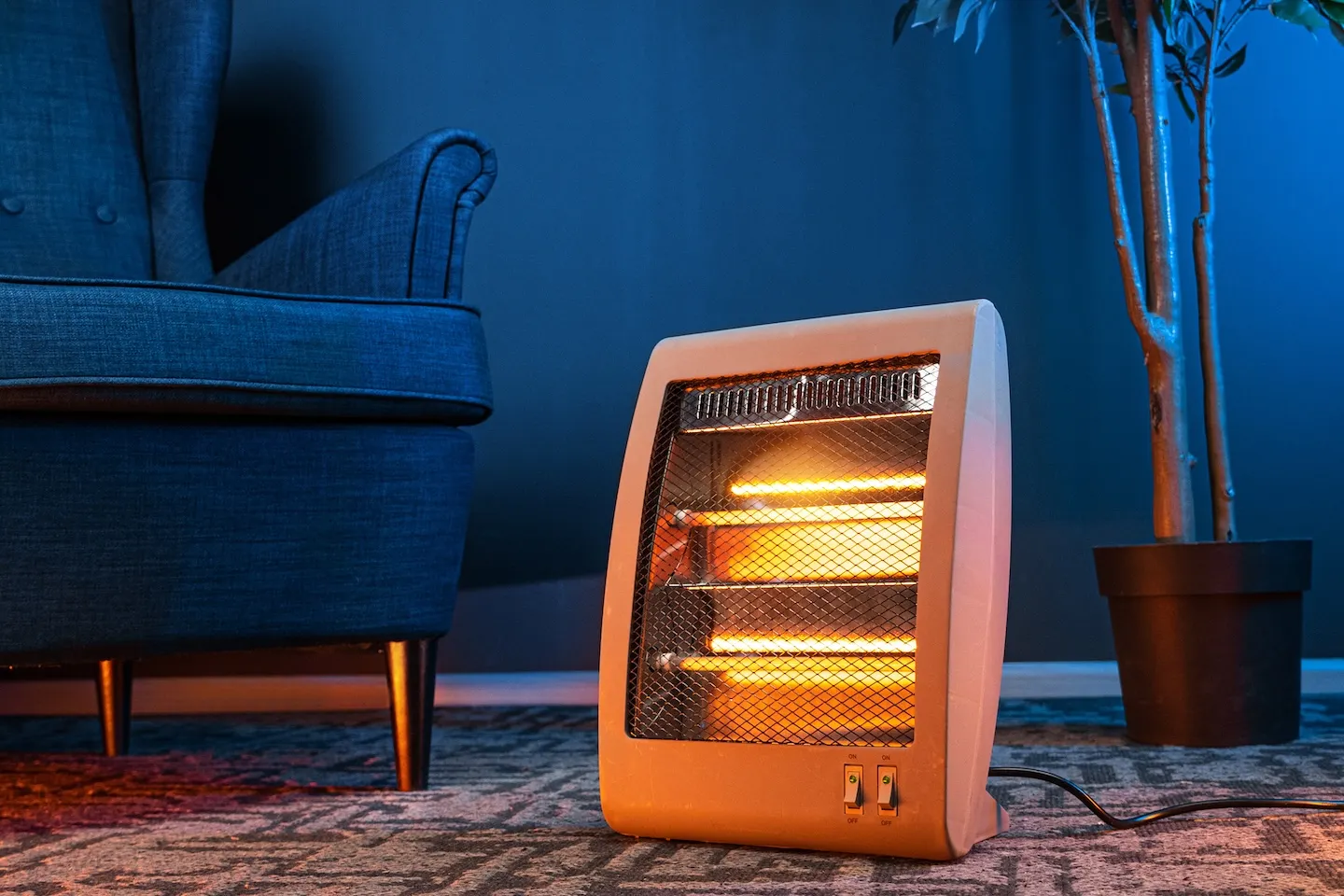
Homeowner warming themselves by a portable heater.

What Watts and Amps Mean for Your Heater

Every electric heater is rated in Watts and draws a certain amount of Amps at a given voltage. Watts are the unit of electrical power your heater uses, while amps are the electrical current flowing through the system. The relationship between these units is simple: watts equal volts multiplied by amps. For example, if a heater draws 10 amps on a 240-volt circuit, it uses 2400 watts of power. This is important because electrical utilities charge customers based on the energy used over time, not the instantaneous power.

When you see a heater’s wattage, you can estimate how much electricity it will consume. Now, to convert to Kilowatts (kW), you just need to divide watts by 1000. If you run a 2 kW heater for one hour, it uses 2 kilowatt-hours (kWh) of energy. Your energy bill shows how many kWh you used, and your utility’s price per kWh determines your cost. For example, at a rate of ten cents per kWh, a 2 kW heater running for five hours would cost roughly one dollar.

What BTU Tells You About Heater Output

While watts and amps describe electrical usage, BTU, or British Thermal Units, describe how much heat energy a heater produces. One BTU is the amount of heat needed to raise one pound of water by one degree Fahrenheit. In heating capacity terms, BTU is typically expressed per hour (BTU/hr), and bigger numbers indicate more heating power. Most central heaters and furnaces are sized in thousands of BTUs based on the square footage and insulation of your home.

Because electrical units and heating units use different measurements, you often need to convert BTU to watts or vice versa. The common conversion factor is that one watt of electrical input roughly equals 3.412 BTU per hour of heat output. This means if a heater consumes 1000 watts, it can generate about 3412 BTU/hr of heating capacity.

Efficiency and Real-World Running Cost

Now, to keep things interesting, not all heaters convert electrical power into heat equally. Electric resistance heaters, like baseboard or portable heaters, for example, convert electrical energy into heat at nearly 100% efficiency, meaning all the energy is turned into warmth. Conversely, large HVAC systems like heat pumps or furnaces use advanced technology to move heat rather than create it, which can result in much higher effective heat output for the same electrical input. For example, a heat pump’s efficiency rating, such as HSPF, can indicate it delivers multiple BTUs of heat for each watt of electrical energy it consumes, effectively lowering cost per BTU.

In contrast, non-electric fuel systems like gas furnaces have their own efficiency ratings based on how much heat they extract from the fuel. High-efficiency gas furnaces achieve better output with less energy input and can help reduce ongoing gas costs even if electricity is needed for fans and controls. At TemperaturePro Austin, our technicians help evaluate all of these factors when recommending systems for your home, so you can rest assured you’re getting informed, professional advice.

Portable heater warming a living room.

Tips to Manage Heater Running Costs

Understanding watts, amps, and BTU gives you the knowledge to estimate heater running cost, but real savings come from how your system is used and maintained. Just a few smart habits and upgrades can make a noticeable difference in your monthly energy bills.

Choose a heater or HVAC system that is properly sized for your home:

Oversized systems cycle on and off too often, while undersized systems run longer than necessary, both of which increase energy use.

Schedule regular heating maintenance:

Annual inspections and tune-ups help keep components clean, calibrated, and operating efficiently, which reduces wasted electricity or fuel.

Use a programmable or smart thermostat:

Lowering the temperature when you are asleep or away from home can significantly cut down on how many hours your heater runs each day.

Improve insulation and seal air leaks:

Proper attic insulation, weatherstripping, and sealing gaps around doors and windows help your home retain heat longer and reduce overall heater runtime.

Replace outdated equipment with high-efficiency models:

Modern heat pumps and furnaces deliver more BTUs per watt or unit of fuel, which lowers cost over time even if the upfront investment is higher.

Whether you are evaluating an existing heater or considering an upgrade, the right system, combined with proper maintenance, can make a noticeable difference in both performance and long-term cost. From system sizing to efficiency improvements, small changes can add up to meaningful savings over time.

Contact TemperaturePro Austin online today to schedule a heating inspection or service appointment and allow us to ensure your system is running efficiently, reliably, and ready for the season.